


In a significant move to expand healthcare access, the Kaduna State Government has partnered with the Kaka Foundation to launch a one-year free health insurance program for 200 vulnerable residents in Kaduna North Local Government Area.
The initiative, facilitated through the Kaduna State Contributory Health Management Authority (KADCHMA), was unveiled during a formal event at Arewa House. The Kowa Namu Ne Foundation also played a key role in the collaboration. Women—particularly pregnant women—make up more than 70 percent of the first batch of enrollees.
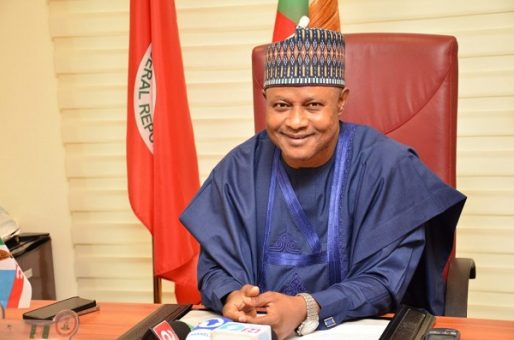
Deputy Governor Dr. Hadiza Sabuwa Balarabe described the program as both “life-saving and poverty-reducing,” noting its alignment with President Bola Ahmed Tinubu’s Renewed Hope Agenda and Governor Uba Sani’s commitment to equitable healthcare access.
Dr. Balarabe, a public health expert, expressed concern that more than 75 percent of Nigerians still pay for medical care out-of-pocket, placing immense financial pressure on low-income families.
“This initiative isn’t just praiseworthy—it’s transformational,” she said. “It demonstrates the power of collaboration between government and the community.”
She added that the state is working to expand health insurance for the elderly, pregnant women, people with disabilities, and other at-risk groups. This expansion includes investments in health infrastructure, staff recruitment, and digital health tools to reach both urban and rural populations.
“Our guiding principle is simple: health is wealth,” she stated. “A healthy population is a productive and empowered population.”
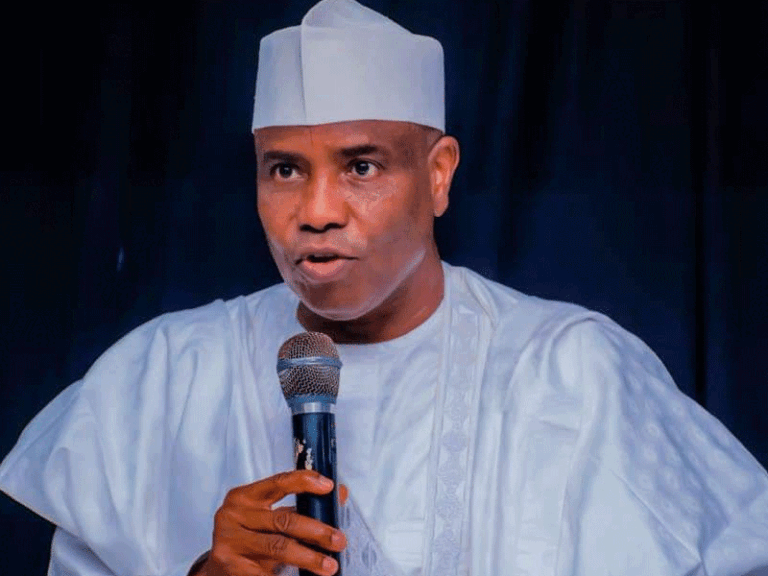
The program is spearheaded by Abdulazeez Abubakar Kaka, Chairman of the APC Stakeholders Forum and founder of the Kowa Namu Ne Foundation. He revealed that the initial plan was to enroll 100 individuals, but the number doubled after discussions with KADCHMA’s leadership.
“Seeing the agency’s impact made it clear—we had to do more,” Kaka explained. “Most of our beneficiaries are pregnant women, given the high maternal mortality rates in underserved communities. This is our way of responding to that crisis.”
He credited the project’s success to strong cooperation with KADCHMA and the backing of Governor Uba Sani, praising the governor’s dedication to health and social welfare.
“This reflects the governor’s vision, and we encourage others—individuals and organizations—to join us. Government alone cannot shoulder this responsibility,” he said.
Kaka also announced plans to scale up the program to reach 1,000 beneficiaries in future phases and potentially extend it beyond Kaduna.
“With the right kind of support—financial, moral, and spiritual—we believe this is only the beginning,” he added.
Dr. Balarabe lauded KADCHMA’s grassroots efforts and their work to include informal sector workers, calling such approaches essential for achieving Universal Health Coverage (UHC).
“What we’re witnessing today is a testament to what can be achieved when citizens, government, and institutions work together for the greater good,” she concluded.
The one-year health insurance scheme will offer full primary healthcare services to some of Kaduna’s most underserved populations, according to the foundation.