




The Federal Ministry of Health and Social Welfare has announced plans to convene the National Health Financing Policy Dialogue from September 1 to 4 in Abuja, as part of efforts to tackle the country’s persistent health financing challenges.
Kamil Shoretire, Director of Health Planning, Research and Statistics, confirmed the development on Sunday, noting that the meeting will bring together policymakers, development partners, health financing experts, civil society, media, private sector representatives, academia, and health insurance operators.
According to him, the dialogue will focus on translating high-level commitments into concrete strategies that strengthen Nigeria’s health financing system. It will also provide a platform for stakeholders to share experiences, identify bottlenecks, and propose reforms to accelerate Nigeria’s progress toward sustainable health funding.
Shoretire explained that the National Health Financing Policy (NHFP) offers a framework for mobilising, pooling, and allocating resources for healthcare delivery. “The policy is designed to promote equity, efficiency, and financial protection, reduce the dominance of out-of-pocket spending, expand insurance coverage, and move Nigeria closer to Universal Health Coverage (UHC),” he said.
Despite several reforms, Nigeria continues to fall short of the 2001 Abuja Declaration, in which African leaders committed to allocating at least 15 percent of national budgets to health. The country currently spends less than 5 percent of its budget on health, with public expenditure standing at only 0.5 percent of GDP.
This underfunding has left households shouldering the majority of healthcare costs. Data from the World Bank and other sources show that out-of-pocket payments account for about 76 percent of total health spending in Nigeria—among the highest globally—pushing many families into poverty.
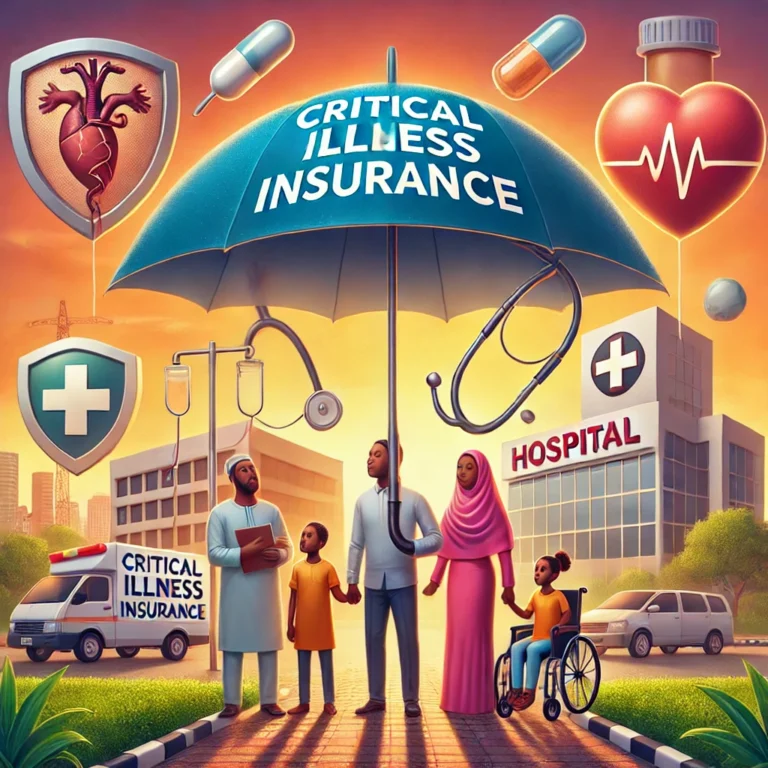
To address this, the government enacted the National Health Insurance Authority (NHIA) Act in 2022, making health insurance mandatory for all Nigerians and legal residents. The law empowers the NHIA to regulate providers and extend coverage to millions who were previously excluded.
Experts believe the September dialogue will be critical in exploring how best to implement the NHIA Act and scale up the Basic Health Care Provision Fund (BHCPF). They have also called for innovative financing options, including public-private partnerships, earmarked taxes, and donor coordination, to close the current funding gap.
Maimuna Abdullahi, a health economist and Monitoring and Evaluation Specialist with the African Health Budget Network (AHBN), stressed that Nigeria cannot achieve UHC without reducing its dependence on out-of-pocket payments. “The dialogue is an opportunity to rethink financing models, strengthen accountability, and ensure that health insurance truly benefits the poor,” she said.
Civil society organisations have also underscored the need for transparency and accountability, urging reforms to guarantee that resources allocated to health reach frontline facilities where they are most needed.