


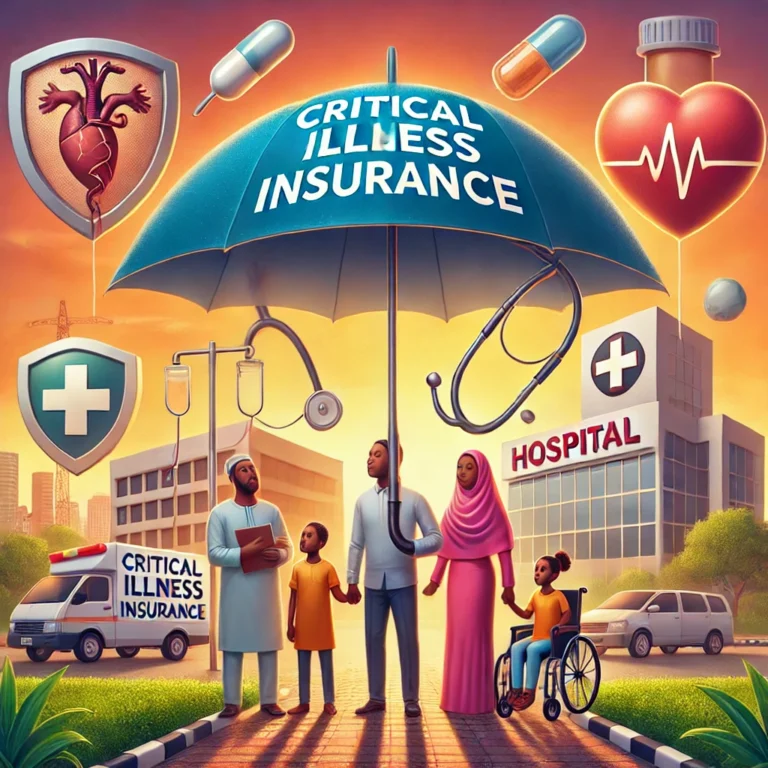


The Federal Government has set a target to enroll 44 million Nigerians into the National Health Insurance Scheme (NHIS) by 2030, in a bid to reduce the country’s high rate of out-of-pocket health spending.
Minister of State for Health and Social Welfare, Dr. Iziaq Salako, announced the plan on Monday in Abuja at the opening of the National Health Financing Policy Dialogue, where government officials, development partners, civil society, and private sector stakeholders gathered to discuss ways of reshaping the nation’s health financing system.
Salako said the theme of the dialogue, “Reimagining a New Era of Health Financing,” underscores Nigeria’s push for sustainable domestic funding in pursuit of universal health coverage. He emphasized that President Bola Ahmed Tinubu has directed the ministry to strengthen health financing by boosting local resources and reducing dependence on foreign aid.
“Under the Presidential Performance Agreement we signed, a key deliverable for the Ministry is to enroll at least 44 million Nigerians into the national health insurance scheme by 2030. This will help reduce out-of-pocket expenditure on health, which currently stands at about 70%,” Salako stated.
Rising health budgets, but still below target
The minister highlighted a steady increase in health sector funding—from ₦434 billion in 2018 to ₦1.2 trillion in 2021, and a proposed ₦2.48 trillion in 2025, representing 5.18% of the federal budget. While this reflects progress, he noted it remains well below the 15% Abuja Declaration benchmark.
He added that the National Assembly increased the 2024 health budget by ₦300 billion following the suspension of U.S. aid, while state governments also raised allocations. Consequently, Nigeria’s total health expenditure as a share of GDP rose from 3.4% in 2013 to 5.03% in 2024.
Legal and policy frameworks
Salako reaffirmed the government’s commitment to the National Health Insurance Act (2012), which makes health insurance mandatory and establishes the Vulnerable Group Fund for citizens unable to afford premiums.
He also noted that the Basic Health Care Provision Fund (BHCPF), which currently receives 1% of consolidated revenue, remains key to supporting the poor and vulnerable. He said the government plans to seek an increase of this allocation to at least 2%.
Lessons from other countries
Drawing on examples from Ghana, Salako stressed the importance of political will, innovative financing, strong legal frameworks, and decentralized implementation in achieving stronger health outcomes. He urged stakeholders at the dialogue to share ideas, forge partnerships, and push for reforms that make Nigeria’s health financing more sustainable and inclusive.
“The ultimate objective is to build a financing framework that is transparent, equitable, and ensures every Nigerian can access quality healthcare without financial hardship,” he said.
Progress so far
Meanwhile, the National Health Insurance Authority (NHIA) reported it has already surpassed the 2024 presidential target for health insurance enrollment.
According to its Director-General, Dr. Kelechi Ohiri, the number of Nigerians covered grew from 16.7 million to 19.2 million in less than a year—a 14% increase. He added that more than two million Nigerians were enrolled at both federal and state levels in the first nine months of 2024, and coverage is projected to rise by another 20% in 2025.