

Hit and run accidents, long a menace on Nigerian roads, often leave victims with injuries, hospital bills, or even fatalities without a trace of the offending driver. But under Nigeria’s insurance laws, a compensation mechanism exists to protect such victims, though awareness and access remain limited.
The Nigerian Insurance Industry Act (NIIRA) 2025 makes provision for a Road Accident Victims Compensation Fund. The fund, financed by 0.5% of insurers’ underwriting profits from motor policies, is designed to provide relief for victims of uninsured vehicles and hit-and-run drivers. Managed by a multi-agency Compensation Committee, the scheme directs 65% of the fund specifically toward paying compensation for injuries, death, and hospital costs, while also supporting law enforcement and road safety agencies with grants.
Despite these provisions, enforcement of third-party motor insurance in Nigeria remains weak. Many drivers evade compliance, leaving accident victims to struggle with lengthy claim processes, burdensome documentation, and little knowledge of the compensation available to them.
Insurance expert Ade Adesokan told reporters that this gap has left many legitimate victims without support. He cited the case of Joseph Adebayo, a commercial driver whose vehicle was wrecked and passengers injured in a hit-and-run crash along the Lagos-Ibadan Expressway. Adebayo endured months of hardship before finally accessing partial compensation through the fund.
“This knowledge gap means victims suffer unnecessarily,” Adesokan said. “While mechanisms exist, they remain underutilised.”
To address these challenges, regulators are turning to innovation. The National Insurance Commission (NAICOM) is developing a mobile application to streamline claims, integrating accident reporting, hospital documentation, and police verification into one platform. Officials say the app will allow victims or their representatives to initiate claims and track progress in real time, reducing bureaucratic bottlenecks.
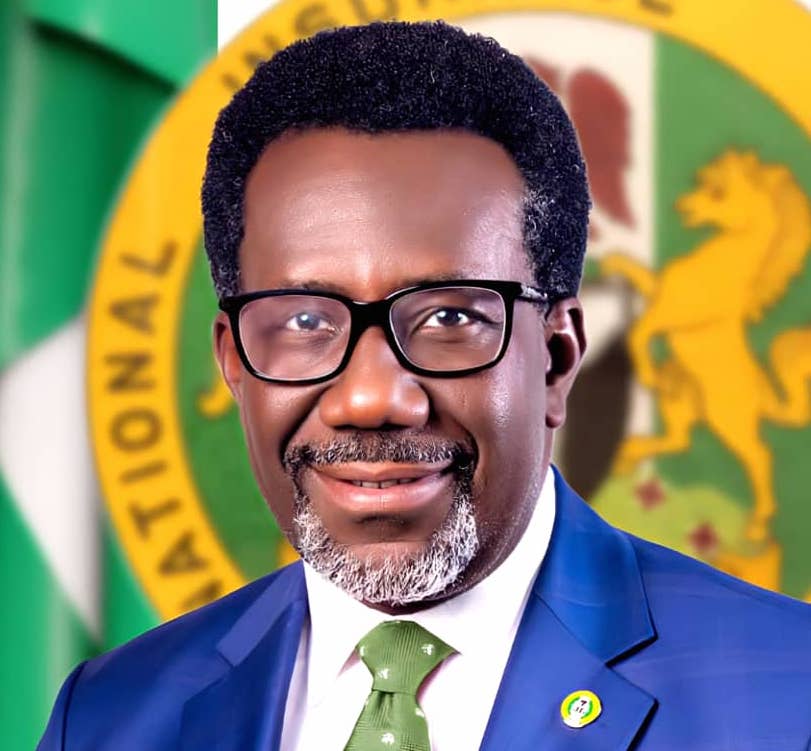
NAICOM has also intensified highway verification drives in partnership with the Nigeria Police Force and Federal Road Safety Corps (FRSC), using the Nigerian Insurance Industry Database (NIID) to detect fake policies and educate motorists. “When we combine enforcement with public education, we see better compliance and more victims becoming aware of their rights,” said Commissioner for Insurance, Olusegun Omosehin.
Industry groups like the Nigerian Insurers Association (NIA) are also pushing for uniform, victim-friendly claim procedures across insurers, while advocacy groups such as the Road Safety Advocacy Network are training volunteers to guide accident victims through documentation and claims.
Still, experts warn that many victims are often too injured or traumatised to pursue compensation themselves. Adesokan suggested empowering hospitals, family members, or certified advocates to initiate claims on victims’ behalf, especially in cases of severe injury or unconsciousness.
Stakeholders agree that stronger enforcement, better education, and streamlined processes are essential if Nigeria’s third-party insurance system is to fulfil its promise as a true safety net for accident victims.
As Adebayo’s case illustrates, timely access to compensation can make the difference between prolonged hardship and a chance to rebuild. The reforms now underway may finally ensure that hit-and-run victims are not left to suffer in silence.