


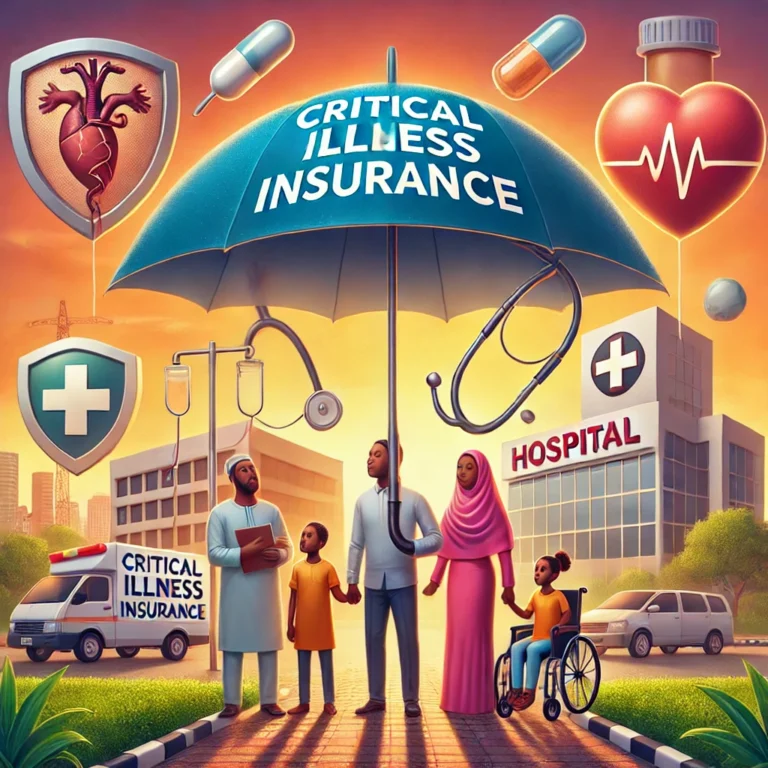


The Federal Government has appealed to Nigerians living abroad to invest more strategically in the country’s health sector, urging them to move beyond ad-hoc charity and direct resources into structured initiatives such as health insurance.
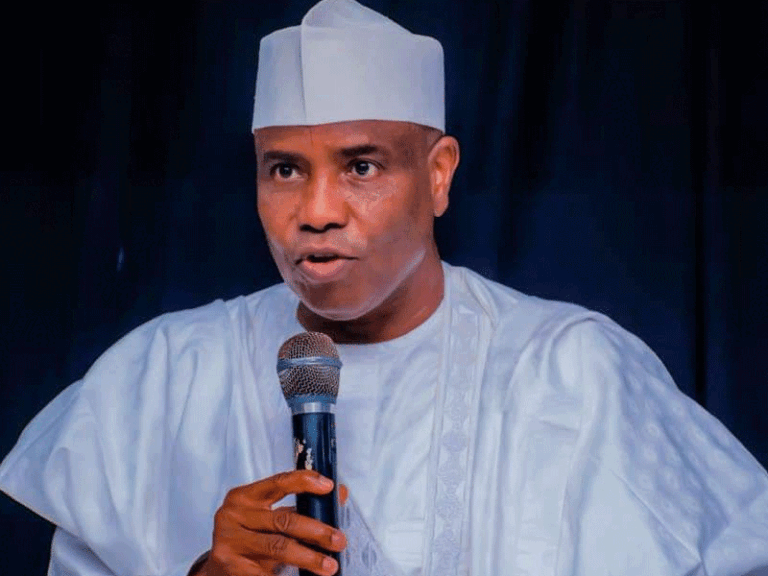
Coordinating Minister of Health and Social Welfare, Prof. Muhammad Pate, made the call on Thursday in Abuja during the closing session of the National Health Financing Policy Dialogue.
Pate said diasporans can play a pivotal role in accelerating reforms aimed at achieving universal health coverage. “Instead of sending money only when an aunt or uncle is sick, you can pay for their insurance. That brings the diasporan closer home,” he said, adding that such contributions would create long-term impact and strengthen national health financing.
Health Financing Reforms
The minister highlighted progress made under President Bola Tinubu’s administration, including the expansion of the Basic Health Care Provision Fund (BHCPF), which has channeled billions of naira into thousands of primary health centers. Government targets to raise health insurance coverage from 20 million to 44 million Nigerians by 2030, he added.
Other initiatives include the Vulnerable Groups Fund, support for emergency obstetric care and fistula repair, dialysis subsidies, and a proposed catastrophic health insurance fund to cover costly illnesses such as cancer and kidney disease.
Pate stressed that the private sector must also play a stronger role, noting that financially protected employees are more productive and contribute to economic growth.
Role of States and Local Governments
While the federal government provides seed funding through the BHCPF, the minister emphasized that states and local governments remain responsible for primary healthcare delivery.
He urged subnational governments to increase budget allocations, release funds promptly, and provide counterpart financing. “Thirty-seven million primary healthcare visits were recorded in the first quarter of 2025, compared with fewer than 10 million in 2023. This shows that transparency and effective funding can expand access,” he said.
Pate also called for health financing scorecards at the state level to track commitments and outcomes, and for locally driven research to guide policies. Citing China’s experience, he said higher public health spending reduces out-of-pocket costs and accelerates universal health coverage.
The four-day dialogue, themed “Reimagining the Future of Health Financing in Nigeria”, brought together policymakers, civil society, private sector players, and development partners to generate actionable strategies for sustainable health financing.