



For many Nigerians, conventional insurance feels like an unrewarding obligation—renewing policies year after year without tangible benefits. This perception has long slowed insurance penetration in Africa’s largest economy. To change the narrative and boost financial inclusion, regulators introduced Takaful, a Sharia-compliant insurance model built on principles of fairness, mutual support, and shared responsibility.
Take Moruf Ajibade, a former commercial bus driver who now runs a small transport business. For him, third-party motor insurance is little more than “free money to the insurance company.” Despite decades of paying premiums, he has never filed a claim.
Similarly, legal practitioner and panel judge at the 2025 Almond Insurance Awards, Jean Anishere, SAN, recalls her early frustration with conventional insurance. After losing her first new vehicle, she said the compensation received from her comprehensive policy could barely cover the cost of a “korope” (minibus). “I used to believe insurance was just a deposit scheme that never truly paid back,” she admitted.
These stories reflect the widespread skepticism surrounding traditional insurance. Many, like Bimpe Ogbonnaya, a cautious driver who has never made a claim, struggle to justify the yearly renewals. “Some days, I question why I keep paying for something I’ve never used,” she said.
This mistrust has become one of the biggest barriers to insurance adoption in Nigeria. In response, the National Insurance Commission (NAICOM) issued Takaful insurance guidelines in 2013, after surveys revealed deep-seated religious and ethical objections to conventional models.
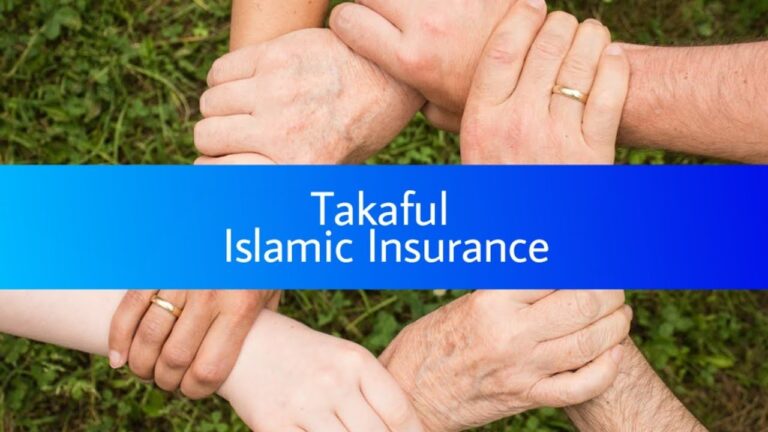
Takaful—derived from the Arabic word meaning “guaranteeing each other”—operates on two key principles:
- Tabarru (donation/contribution): Participants contribute into a common pool to mutually support each other.
- Ta’awun (co-operation): Funds are used collectively to settle eligible claims, ensuring shared protection.
Unlike conventional insurance, where the relationship is seen as transactional, Takaful emphasizes community, equity, and transparency. Importantly, it is open to people of all faiths and backgrounds, making it both an ethical and inclusive alternative.
Industry experts say the model could be a game-changer in a country where religious concerns and lack of trust have stifled insurance uptake. As e-commerce, mobility, and small businesses continue to grow, Takaful offers a culturally sensitive and trust-driven solution to closing Nigeria’s protection gap.