



Nigeria is moving to reduce its dependence on foreign aid for healthcare following sweeping U.S. funding cuts that have unsettled the global health landscape.
In January, U.S. President Donald Trump announced the termination of USAID, a freeze on PEPFAR, and America’s withdrawal from the World Health Organisation. For Nigeria—long reliant on donor support for malaria prevention, HIV treatment, polio vaccination, and disease surveillance—the decision was a wake-up call.
The United States alone had invested nearly $20 billion in African health programmes since 2021, with Nigeria receiving more than $600 million in 2023, equivalent to one-fifth of its health budget. For Africa’s largest economy, the heavy reliance on donors raised pressing questions about sustainability.
Against this backdrop, the Federal Ministry of Health and Social Welfare convened a four-day National Policy Dialogue in Abuja from September 1–4. The meeting, themed “Reimagining the Future of Health Financing in Nigeria,” brought together ministers, lawmakers, global health leaders, and civil society to debate how the country can build a self-reliant healthcare system.
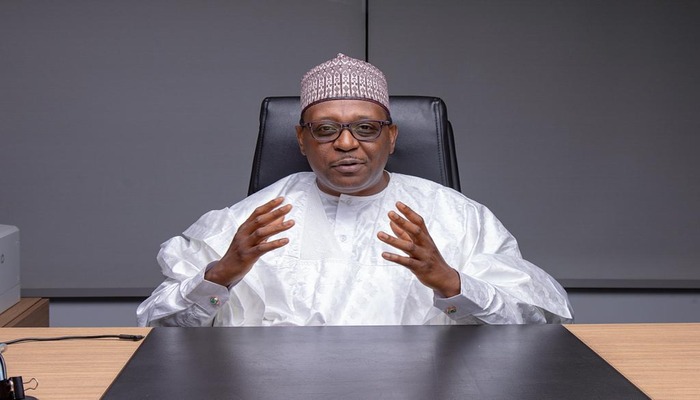
Health Minister Muhammad Ali Pate set the tone in his keynote address: “Health must no longer be treated as charity. It is about human infrastructure and national security. A sick nation cannot prosper.” He drew comparisons with China, which invested $25 billion to expand universal health coverage, and argued Nigeria must seize its current fiscal momentum.
Pate outlined ambitious goals, including enrolling 44 million Nigerians in health insurance by 2030—the largest pool in Africa. He also highlighted progress made under the Basic Health Care Provision Fund, which is set to expand to 4,000 additional facilities in the coming months. More than 20 million Nigerians are now covered by health insurance, marking a milestone in decades-long efforts.
Still, challenges persist. Nigeria’s 2025 budget allocates ₦2.4 trillion to health—just 4.8 percent of total spending, far below the 15 percent Abuja Declaration target. Most of the funds go to salaries, leaving limited resources for infrastructure, medicines, and equipment. Out-of-pocket expenses continue to account for the majority of health spending.
Finance Minister Wale Edun linked recent economic reforms, including fuel subsidy removal and tax restructuring, to improved fiscal space for health. “The more hospitals, diagnostic centres, and oncology facilities we build here, the less Nigerians will spend abroad. We can even attract foreign patients, turning Nigeria into a regional hub for specialised care,” he said.
Lawmakers pledged support. Senator Ipalibo Banigo, chair of the Senate Committee on Health, pointed to new funding for the Vulnerable Group Fund, which has already provided free treatment and insurance renewals for thousands.
International partners welcomed Nigeria’s reform push but cautioned against complacency. “Reforms must not remain another declaration,” said Dr Mohamed Janabi, WHO Regional Director for Africa. Civil society leaders also pressed for stronger accountability and grassroots involvement.
Closing the dialogue, Pate reiterated his message: “Health is national security. If we treat it with that sense of urgency, the assets we build will not just be hospitals and clinics but economic assets.”
For the first time in decades, Nigeria appears poised to shift from donor dependency to domestic resilience. The road ahead is long, but the momentum from Abuja suggests that the country is ready to chart its own course.