


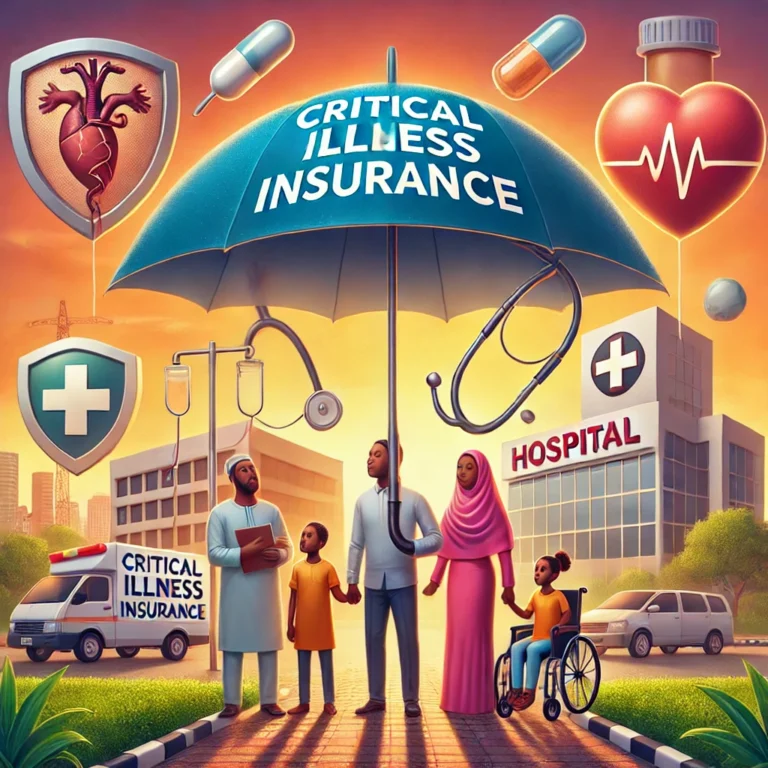


The Federal Government has pledged to bring Nigerian soldiers, their families, and eligible retirees under the National Health Insurance Authority (NHIA), giving them access to comprehensive healthcare.
Minister of State for Defence, Bello Matawalle, announced the plan in Abuja on Tuesday during the 20th anniversary celebration of the Ministry of Defence Health Implementation Programme’s partnership with the Walter Reed Army Institute of Research Africa.
Matawalle said the move would strengthen the resilience of Nigeria’s defence health system and ensure troops enjoy the same safeguards as other citizens.
“The health of our armed forces is a matter of national security,” he stressed. “When illness is prevented, protection and unity remain operational missions.”
He noted that the defence health partnership had already reached more than half a million Nigerians—military and civilian alike—by saving lives, building infrastructure, and boosting confidence in military-led healthcare.
Chief of Defence Staff, General Christopher Musa, hailed the NHIA integration as a vital step in keeping soldiers fit for duty. He called the Walter Reed partnership “a model of international collaboration,” one that has strengthened 32 military health facilities, improved responses to HIV, COVID-19 and other outbreaks, and saved thousands of lives.
The U.S. Ambassador to Nigeria, Richard Mills Jr., said the partnership reflected deep trust between both nations, while Major General Paula Lodi of the U.S. Army described it as a shared vision that has expanded from fighting HIV and malaria to shaping health policy across Africa.
Since 2005, the programme has tested over 1.6 million people for HIV, placed more than 69,000 on antiretroviral treatment, and supported tens of thousands of pregnant women in preventing mother-to-child transmission.
Matawalle said these milestones underscored the urgency of including soldiers in health insurance coverage, both for their well-being and for the nation’s security.
“The force that guarantees peace is resilience,” he declared. “We must leave behind a defence health system that is not only robust but prepared for future threats.”