


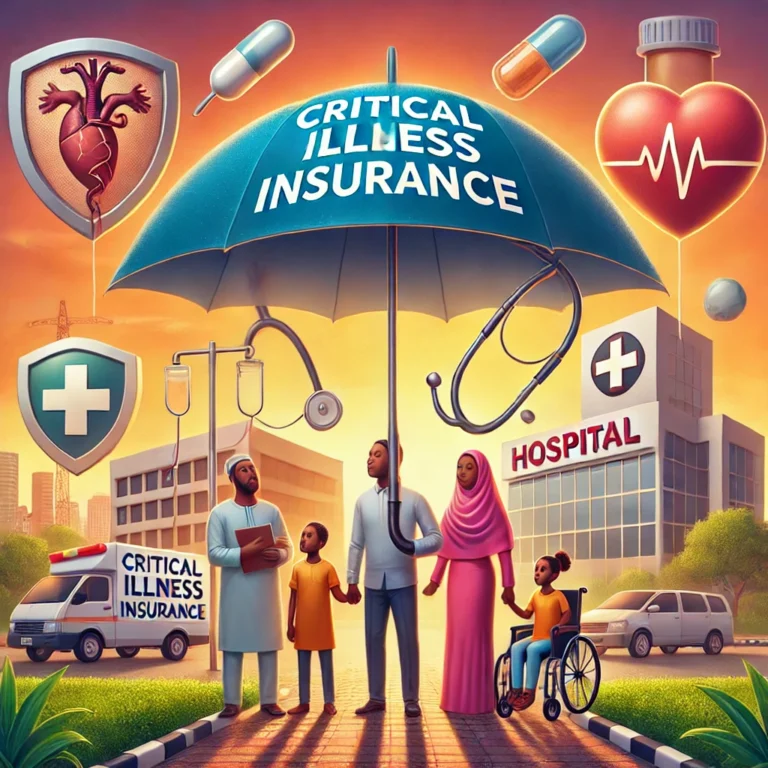


Nigeria has taken a decisive step toward universal health coverage with the National Health Insurance Authority (NHIA) Act of 2022, which repealed the ineffective National Health Insurance Scheme (NHIS) Act of 2004. The new law makes health insurance compulsory for all Nigerians and legal residents, transforming access to healthcare from a policy aspiration into a legal entitlement.
From Fragmented Schemes to a Unified System
For nearly two decades, the NHIS struggled with poor penetration, covering less than 10% of the population and leaving over 90% of Nigerians to pay out-of-pocket for healthcare. The NHIA Act seeks to change this by mandating a Basic Minimum Package of Care (BMPoC) for every citizen and establishing a Vulnerable Group Fund to subsidize healthcare for children under five, pregnant women, the elderly, the poor, and persons living with disabilities.
States are now required to run their own health insurance schemes or engage third-party administrators until such systems are in place. The Act also integrates the Basic Health Care Provision Fund (BHCPF) from the National Health Act 2014, ensuring more predictable financing for primary healthcare across the country.
Enforcing Compliance Across Government
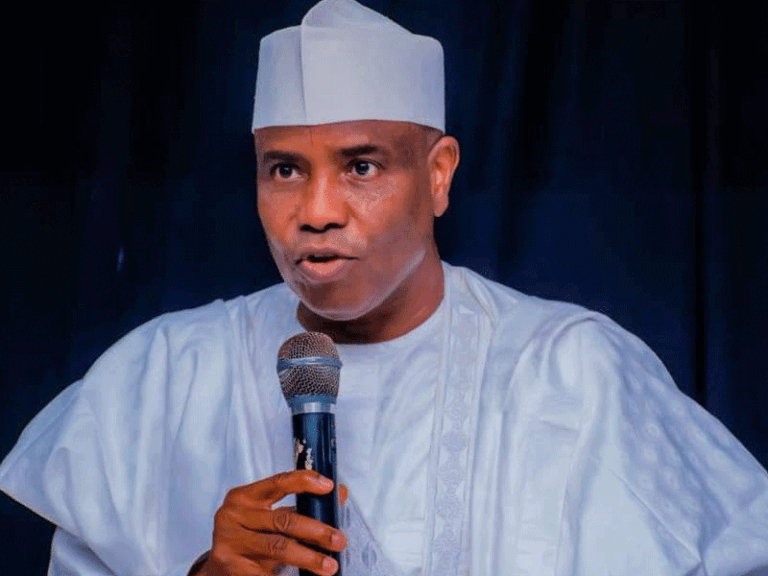
On September 3, 2025, President Bola Tinubu ordered all Ministries, Departments, and Agencies (MDAs) to enrol their employees in the NHIA scheme. To guarantee compliance, MDAs and contractors bidding for public procurement must now provide an NHIA-issued Health Insurance Certificate. The Secretary to the Government of the Federation has been tasked with enforcement, a move expected to rapidly scale up enrolment.
The Dual-Funding Approach
The law introduces a contributory framework for employees while mandating government-funded insurance for vulnerable groups. This aligns with Section 17(3)(d) of the Nigerian Constitution, which requires the state to ensure adequate healthcare for all, and Article 16 of the African Charter on Human and Peoples’ Rights, which guarantees the right to the highest attainable standard of health.
However, experts warn that without sufficient funding and political commitment, the NHIA could replicate the shortcomings of its predecessor. The Health Care Providers Association of Nigeria has noted that with poverty levels rising, millions remain outside the insurance net. “The challenge is not just legislation—it is financing and effective implementation,” the group cautioned.
Why It Matters
- Financial Protection: With more than 90% of Nigerians still uninsured, catastrophic out-of-pocket spending is a leading driver of poverty.
- Equity in Healthcare: By legally mandating insurance for the poor and vulnerable, the Act aims to close deep gaps in healthcare access.
- Systemic Reform: The NHIA sets a framework for regulating both public and private schemes, bringing order to Nigeria’s fragmented health financing system.
Outlook
If fully implemented, the NHIA Act could be transformational, pushing Nigeria closer to the 2030 Sustainable Development Goal of Universal Health Coverage (UHC). But the gap between policy and practice remains wide: funding shortfalls, weak state-level institutions, and widespread poverty threaten to undermine progress.
The success of this law, analysts say, will hinge on consistent government funding, political will, and accountability at both federal and state levels.