





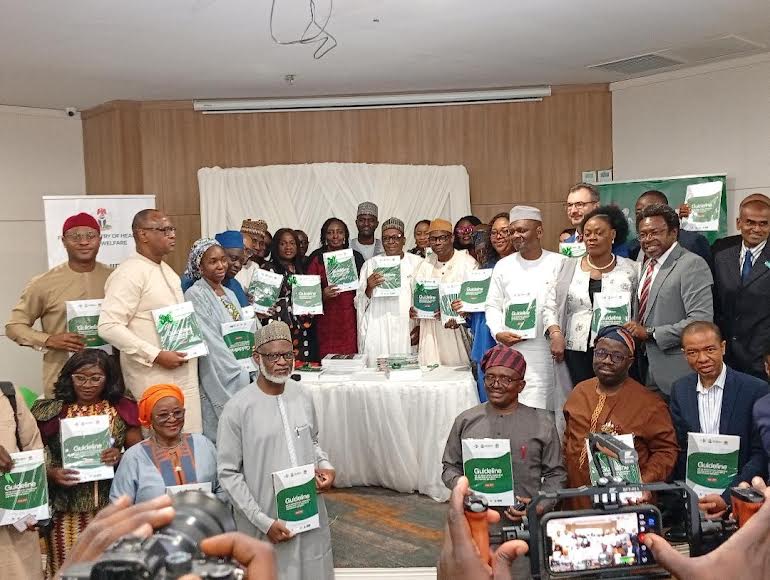
Nigeria’s push to reform its primary healthcare sector has entered a decisive phase with the launch of the Basic Health Care Provision Fund (BHCPF) 2.0—an upgraded framework designed to improve accountability, curb corruption, and deliver better health outcomes nationwide.
Unveiled at the South-West zonal meeting in Lagos, the revamped framework introduces stringent monitoring tools, including the deployment of financial officers to every local government area, digital expenditure tracking, routine disclosure of fund disbursements, and expanded civil society oversight.
Dr. Oritseweyimi Ogbe, Secretary of the Federal Ministry of Health’s Oversight Committee, said the reforms address long-standing weaknesses in the system.
“The BHCPF is the foundation for delivering affordable, quality healthcare to Nigerians,” he noted. “With BHCPF 2.0, the money is traceable and the people truly benefit.”
A Four-Gateway System for Stronger Health Delivery
BHCPF 2.0 channels funding through four gateways:
- The National Primary Health Care Development Agency (NPHCDA) for facility upgrades and essential services.
- State health insurance agencies under the National Health Insurance Authority (NHIA) to expand coverage for vulnerable populations.
- The Emergency Medical Treatment gateway to strengthen emergency response.
- The Nigeria Centre for Disease Control (NCDC) for outbreak preparedness and control.
The programme is financed by at least one percent of the Consolidated Revenue Fund.
To prevent mismanagement, the Ministry of Health has partnered with the Independent Corrupt Practices and Other Related Offences Commission (ICPC), while disbursement reports are now published in national newspapers and online platforms.
Early Gains in Lagos
Lagos State Commissioner for Health, Prof. Akin Abayomi, described the framework as “transformative,” saying it has already streamlined governance processes and accelerated primary healthcare upgrades. Lagos currently has 245 accredited PHCs, with plans to expand coverage and improve service delivery.
“We have seen significant improvements since the launch of BHCPF 2.0,” Abayomi said. “The framework is reducing delays, improving quality of care, and increasing access to essential services.”
A Push Toward Universal Health Coverage
National Coordinator of the Sector-Wide Approach (SWAp), Dr. Muntaqa Umar-Sadiq, said the reforms reinforce the principle that “every Nigerian who walks into a primary healthcare centre deserves care, dignity, and healing.”
BHCPF 2.0 also aligns with the 2022 National Health Insurance Authority Act, widening insurance coverage and strengthening the country’s ability to respond to emergencies and disease outbreaks.
Beyond infrastructure, the fund supports the purchase of essential equipment and training for health workers, ensuring that primary healthcare centres can deliver consistent, quality services.
A Turning Point for Health Sector Accountability
The federal government says the updated framework is built to ensure that every disbursed naira is used for its intended purpose. Dr. Ogbe reiterated that commitment:
“We are determined to make the system work better, and to ensure that Nigerians truly benefit from the fund.”
Technical Assistant to the Coordinating Minister, Dr. Ashiru Abubakar, stressed the urgency of reform. “The worst place for corruption to occur is in the health sector—because there, it kills and maims,” he said.
With the rollout of BHCPF 2.0, Nigeria is laying the groundwork for a more transparent, resilient, and people-focused healthcare system—one that could set a new standard for the continent as it moves closer to universal health coverage.