




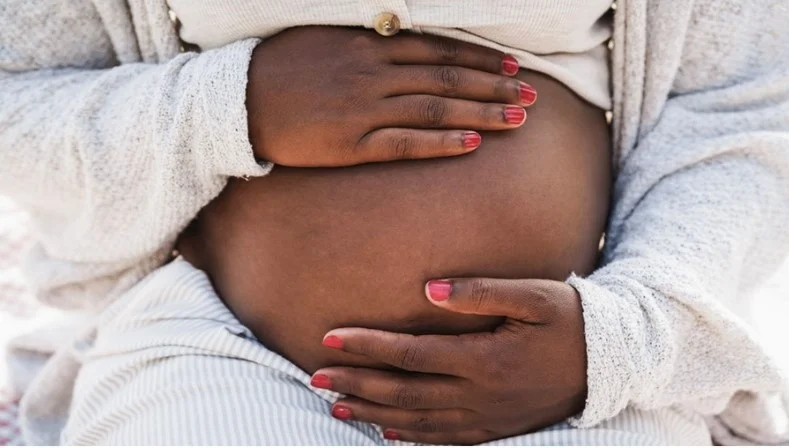
No fewer than 4,000 pregnant women have benefited from free caesarean sections under the National Health Insurance programme, marking one of the strongest early gains of the Federal Government’s Maternal and Neonatal Mortality Reduction Innovation Initiative (MAMII).
This is contained in the 2025 Health Statistics Report released by the Federal Ministry of Health and Social Welfare, which highlights measurable improvements in maternal and newborn outcomes since the programme’s launch in November 2024.
According to the report, the fully subsidised surgeries—conducted across designated hospitals—form part of a national effort to cut preventable maternal deaths by 30 per cent and neonatal deaths by 20 per cent in 172 high-burden local government areas (LGAs).
Structured interventions, early results
MAMII deploys targeted interventions that strengthen governance, service delivery, community engagement, and financing. The initiative has already identified mortality drivers in the 172 LGAs and implemented tailored strategies to address them.
The report shows that 186 LGAs have produced context-specific, costed work plans to improve antenatal care attendance. More than 400,000 pregnant women have been line-listed, while referrals under the National Emergency Medical Services and Ambulance System surged from 86 to 32,711 within the review period.
“Four thousand caesarean sections have been done at no cost to pregnant women enrolled in the National Health Insurance programme,” the report noted, adding that over 500 health facilities received lifesaving maternal and child health commodities, and emergency transport systems were activated in 12 states.
Early data trends show increased antenatal visits, greater facility-based deliveries, and higher rates of skilled birth attendance.
Sector-wide improvements
Across the intervention LGAs, the report indicates significant system strengthening. A total of 435 health facilities have been revitalised; 729,724 women booked their first antenatal visit before 20 weeks; and 794,205 completed the recommended fourth visit.
Between Q1 and Q3 2025, the LGAs recorded 731,559 deliveries, 21,172 stillbirths, 841 maternal deaths, and 1,245 neonatal deaths.
It also shows that:
- 52% of LGAs now have at least two Level-2 facilities.
- 78% have a Primary Health Centre in every ward under the Basic Health Care Provision Fund (BHCPF).
- Maternal deaths have reduced by 17% and neonatal deaths by 12% in intervention areas.
- 25% of BHCPF facilities are connected to the SEMSAS/NEMSAS referral system, which has processed 7,451 completed referrals.
However, the report highlights persistent gaps: only 12% of BHCPF facilities have at least two midwives, while 20% have a laboratory technician. Additionally, 47% of LGAs have been equipped with heat-stable carbetocin, a key drug for postpartum haemorrhage.
Challenges and recommendations
Despite progress, the Ministry warns that staffing shortages, inadequate emergency obstetric facilities, weak emergency transport services, and slow release of operational funds threaten continuity.
It also notes that Maternal and Perinatal Death Surveillance and Response (MPDSR) systems remain weak across many facilities.
To sustain progress, the report recommends strengthening community health structures, scaling Basic and Comprehensive Emergency Obstetric and Newborn Care (BEmONC and CEmONC) facilities, ensuring fully functional transport services, and institutionalising MPDSR for timely response.
“With continued high-level coordination and the expansion of global best practices, MAMII can catalyse Nigeria’s progress toward reducing preventable maternal and neonatal deaths,” the report concludes.