




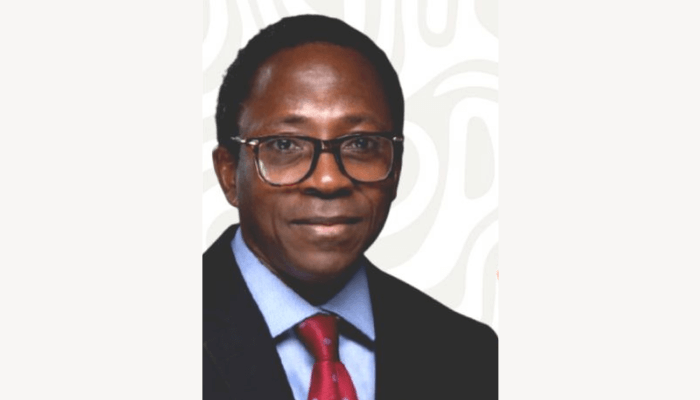
Microinsurance has the potential to drive insurance sector growth and deepen financial inclusion in Nigeria, according to Shina Gbadegesin, Managing Director and Chief Executive Officer of GOXI Microinsurance Limited.
Gbadegesin said this in an interview with Hope Moses-Ashike, highlighting how tailored risk-protection products are helping low-income earners and micro-business operators manage shocks and escape poverty.
Licensed by the National Insurance Commission (NAICOM) in 2019, GOXI is Nigeria’s first standalone microinsurance company. Gbadegesin said the company was established to address the insurance needs of underserved Nigerians through simple, affordable and accessible products.
“When we started operations in 2019, there was no local specialised microinsurance operator to learn from,” he said. “We relied heavily on global research, studied models from different countries and adapted what worked for Nigeria. It has been challenging, but also exciting, because we have proven that a standalone microinsurance model can work in Nigeria.”
According to him, one of the most fulfilling outcomes has been dispelling the notion that low-income earners do not buy insurance.
“Our experience shows that they do, once the products meet their needs and are delivered through the right channels,” Gbadegesin said. “The real impact is seen during claims payments, when people receive support at critical moments in their lives.”
He noted that since GOXI’s licensing, the microinsurance space has expanded significantly, with about 17 fully licensed microinsurance companies now operating in Nigeria.
On performance, Gbadegesin said GOXI has recorded more than 1.4 million transactions over six years and paid claims exceeding ₦790.8 million to over 3,500 low-income individuals and micro- and small-business operators.
“Many of these people would have fallen into extreme poverty due to events such as fire, death or business disruption,” he said. “Insurance intervention helped them recover and remain financially stable.”
GOXI currently operates as a state-licensed microinsurance firm in Lagos but is seeking a national licence. Gbadegesin disclosed that the company has met the ₦600 million capital requirement and fulfilled regulatory conditions, with approval now at an advanced procedural stage.
Once licensed nationally, he said GOXI plans to expand across the country through partnerships to reach remote and underserved communities, with a target of serving at least five million customers.
Explaining the difference between microinsurance and conventional insurance, Gbadegesin said both are based on risk pooling, but microinsurance products must be simpler, more flexible and easier to access.
“Low-income people do not have the luxury of travelling long distances or dealing with complex documentation,” he said. “If products do not address their daily realities, they will not buy them.”
He added that microinsurance operators are playing an increasingly important role in financial inclusion, particularly as Nigeria’s insurance penetration remains below one per cent.
Addressing trust and awareness challenges, Gbadegesin said GOXI relies heavily on partnerships with organisations that already enjoy community trust. He noted that the company also invests significantly in education and awareness campaigns targeted at both grassroots and urban audiences.
Reflecting on early challenges, he said being a pioneer meant building an operating model from scratch, while low awareness of insurance and the outbreak of COVID-19 shortly after launch also tested the company’s resilience.
“Continuing to pay claims during the COVID-19 period helped strengthen trust among our customers and partners,” he said.
On claims settlement, Gbadegesin said GOXI aims to settle claims within 48 hours once documentation is complete, a target it has consistently met.
He also highlighted the company’s membership of the global Microinsurance Master network, which has provided access to international best practices and influenced product development and service delivery.
Gbadegesin described Nigeria’s microinsurance market as largely untapped, citing data indicating that over 31 million Nigerians are interested in microinsurance products and that the potential market size exceeds ₦80 billion, even at minimal monthly premiums.
He commended NAICOM for introducing a microinsurance regulatory framework, describing it as critical to sector growth, while noting that ongoing refinements would further unlock expansion.
Despite economic volatility and inflationary pressures, he said sustainability can be achieved through customer-centric product design, technology adoption, partnerships and innovation.
On sector-wide challenges, Gbadegesin identified low disposable income, cultural beliefs, and poor awareness as major barriers, stressing that awareness creation requires collaboration among regulators, operators and other stakeholders.
As part of efforts to address this, he said GOXI introduced the Annual Microinsurance Conference, a platform that brings together local and international stakeholders to drive inclusive insurance development in Nigeria.
“This is our contribution to tackling awareness gaps and strengthening the microinsurance ecosystem,” he said.