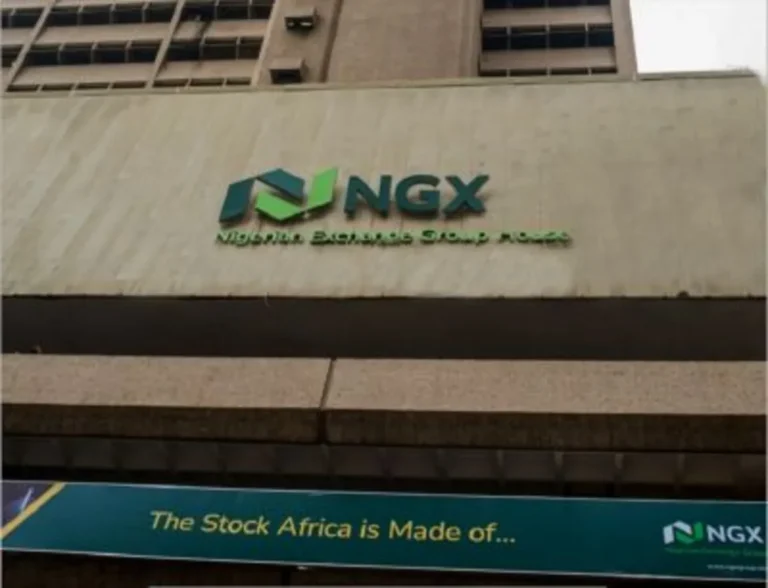






Nigeria’s insurance equities are experiencing a notable transformation, as ongoing reforms reshape investor perception and drive a steady repricing of stocks on the Nigerian Exchange Limited.
Once largely overlooked and often classified as penny stocks, many insurance companies are now witnessing significant value appreciation, signalling a shift towards stronger market positioning and increased investor confidence.
At the centre of this development is the reform agenda led by the Commissioner for Insurance, Olusegun Ayo Omosehin, whose tenure since April 2024 has coincided with a marked improvement in the performance of insurance equities.
Speaking on recent trends, Omosehin highlighted that several insurance stocks, previously trading at nominal levels—some as low as 50 kobo to ₦1—have recorded substantial gains. He cited a personal example of a stock that rose from approximately 50 kobo to about ₦4.59, illustrating the broader market turnaround.
According to him, this upward repricing is not coincidental but reflects renewed investor confidence driven by structural reforms and a strengthened regulatory framework aimed at repositioning the industry for sustainable growth.
A key driver of this transformation is the Nigerian Insurance Industry Reform Act 2025 (NIIRA 2025), which provides the legal foundation for ongoing sector reforms. The legislation is designed to modernise the insurance industry, enhance regulatory oversight, and foster a more resilient and competitive operating environment.
For the National Insurance Commission (NAICOM), the reform agenda extends beyond regulatory compliance. It aligns with broader national economic objectives, particularly Nigeria’s ambition to build a $1 trillion economy.
Omosehin emphasised that a well-functioning insurance sector is essential to achieving this goal, as it provides the risk protection and financial stability required to support investment, business expansion, and long-term economic growth.
The ongoing repricing of insurance stocks, analysts say, reflects growing recognition of the sector’s strategic importance and its evolving role within Nigeria’s financial system.