




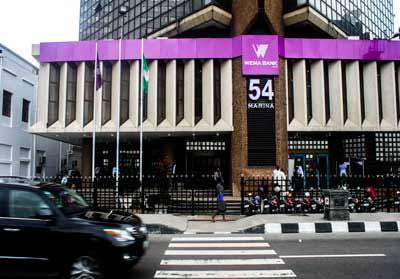
A fresh dispute has emerged between Wema Bank and the Nigeria Deposit Insurance Corporation over the ownership of several high-value properties in Lagos’ Banana Island.
The conflict began after NDIC, acting as liquidator of the defunct Gulf Bank Plc, claimed the properties were part of the bank’s assets and should be used to repay creditors. Wema Bank, however, strongly rejected this claim, describing it as false and damaging.
NDIC has filed two lawsuits at the Federal High Court in Lagos, seeking to recover 12 properties valued at over ₦125.3 billion, as well as ₦401 million it alleges was improperly collected by Wema Bank. The corporation argues that the properties were originally acquired through companies linked to Gulf Bank and should remain part of its liquidation process.
According to NDIC, Wema Bank took control of the properties without proper legal backing and sold them below market value. It also claims that only ₦1.635 million—not ₦401 million—was legitimately owed to the bank after Gulf Bank’s collapse.
In response, Wema Bank maintains that its actions were lawful and supported by proper documentation. The bank explained that the dispute dates back to a ₦4.6 billion interbank placement made with Gulf Bank in 2002, which later became non-performing.
Wema Bank stated that investigations by the Economic and Financial Crimes Commission revealed that funds from Gulf Bank were diverted to acquire the disputed properties through two separate companies. These companies, the bank noted, were independent entities and not subsidiaries of Gulf Bank.
According to the bank, the firms voluntarily transferred their interests in the properties as part of efforts to settle Gulf Bank’s debt. Wema also claimed that NDIC had previously acknowledged the debt and even settled the outstanding balance after the properties were sold.
The bank further argued that NDIC has no legal grounds to challenge the transactions and has filed a counterclaim questioning the court’s jurisdiction. It insists the matter concerns property ownership rather than debt recovery and is therefore time-barred under Lagos State law.
The case has been adjourned until June 25, 2026, when the court is expected to address key issues, including ownership rights and the legality of the transactions.
The ongoing dispute has raised concerns among industry observers, who warn that prolonged legal battles between financial institutions and regulators could weaken investor confidence and complicate efforts to resolve assets tied to failed banks.