


Nationwide Healthcare Gap Sparks Urgent Reform Push as Nigeria Moves to Expand Rehab Access and Insurance Coverage
Nigeria is facing a silent healthcare crisis as new data reveals that one in three citizens requires rehabilitation care, yet access to these critical services remains severely limited.
The alarming disclosure was made by the Medical Rehabilitation Therapists (Registration) Board of Nigeria (MRTB), which has now unveiled a nationwide reform plan aimed at transforming rehabilitation services and integrating them into the country’s primary healthcare and insurance systems.
Why Rehabilitation Is Now a National Priority
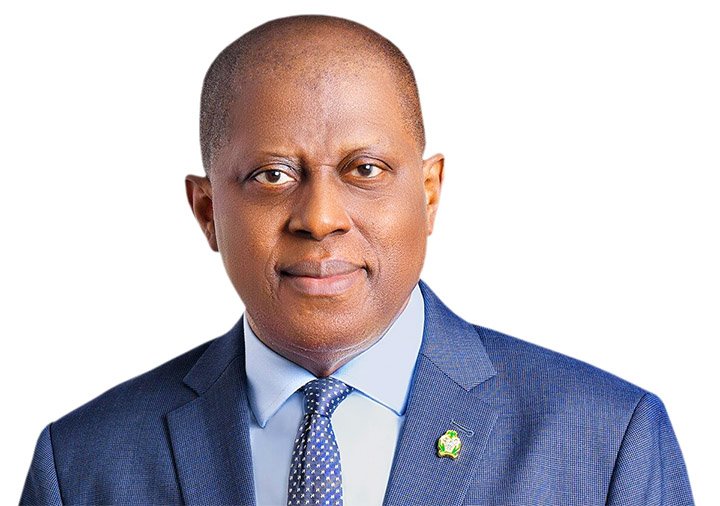
According to MRTB Registrar and CEO, Prof. Rufai Yusuf Ahmed, the demand for rehabilitation services in Nigeria has surged dramatically due to:
- Rising non-communicable diseases
- Increased injuries and road accidents
- Conflicts and natural disasters
- A rapidly ageing population
He emphasized that rehabilitation is no longer optional but a core component of modern healthcare, enabling individuals to regain mobility, independence, and productivity after illness or injury.
Globally, about one-third of the population requires rehabilitation services—a trend Nigeria is now mirroring.
Major Reform: Rehabilitation Moves to Primary Healthcare
In a major policy shift, the Federal Government has approved the integration of rehabilitation services into Primary Healthcare Centres (PHCs) nationwide.
This move is expected to:
- Bring services closer to rural and underserved communities
- Reduce the financial burden on patients
- Improve early intervention and recovery outcomes
By decentralizing rehabilitation, authorities aim to close the accessibility gap that has long plagued the system.
Severe Shortage of Skilled Professionals
Despite rising demand, Nigeria faces a critical shortage of rehabilitation professionals.
Current estimates show:
- Fewer than 8,000 physiotherapists nationwide
- Less than 500 specialists each in occupational therapy, speech therapy, audiology, prosthetics, and orthotics
For a country with over 200 million people, this workforce gap presents a major challenge to effective healthcare delivery.
To address this, the MRTB is:
- Training community health workers in basic rehabilitation care
- Developing new academic curricula for health institutions
- Expanding rehabilitation programs across universities
Expansion of Training and Institutions
The Federal Ministry of Education has approved medical rehabilitation programs in 20 universities across Nigeria’s geopolitical zones.
Additionally:
- 48 institutions currently offer physiotherapy programs
- Over 60 hospitals provide internship training
- More than 110 facilities are accredited for rehabilitation services
These efforts aim to boost workforce capacity and ensure equitable distribution of professionals nationwide.
Insurance Coverage Could Be a Game-Changer
In a significant breakthrough, rehabilitation services and assistive devices are being incorporated into Nigeria’s National Health Insurance framework.
Ongoing discussions with the National Health Insurance Authority (NHIA) are focused on:
- Establishing pricing structures
- Reducing out-of-pocket healthcare costs
- Expanding access to essential services
If fully implemented, this could make rehabilitation affordable for millions of Nigerians who currently cannot access care.
Digital Transformation and Regulation
The MRTB has also completed the digitalisation of its operations, including:
- Licensing and registration
- Accreditation and inspections
- Professional examinations and internship management
A new digital platform, set to launch in August 2026, will allow Nigerians to verify practitioners, check facility accreditation, and report misconduct online.
Despite these reforms, a major obstacle remains, lack of dedicated funding.
Experts warn that rehabilitation is one of the most underfunded areas of Nigeria’s healthcare system, limiting its growth and impact.
Without sustained financial support from federal and state governments, the ambitious reform agenda may struggle to achieve its goals.
Improving rehabilitation services goes beyond healthcare, it directly impacts:
- Workforce productivity
- Economic development
- Quality of life
- Social inclusion
As Prof. Ahmed noted, rehabilitation is about restoring dignity and opportunity.
Nigeria’s push to integrate rehabilitation into primary healthcare and insurance systems marks a significant step toward universal health coverage.
However, success will depend on effective implementation, adequate funding, and sustained public awareness.
If done right, millions of Nigerians could regain independence and lead more productive lives. If not, the country risks leaving a growing population without the care they urgently need.