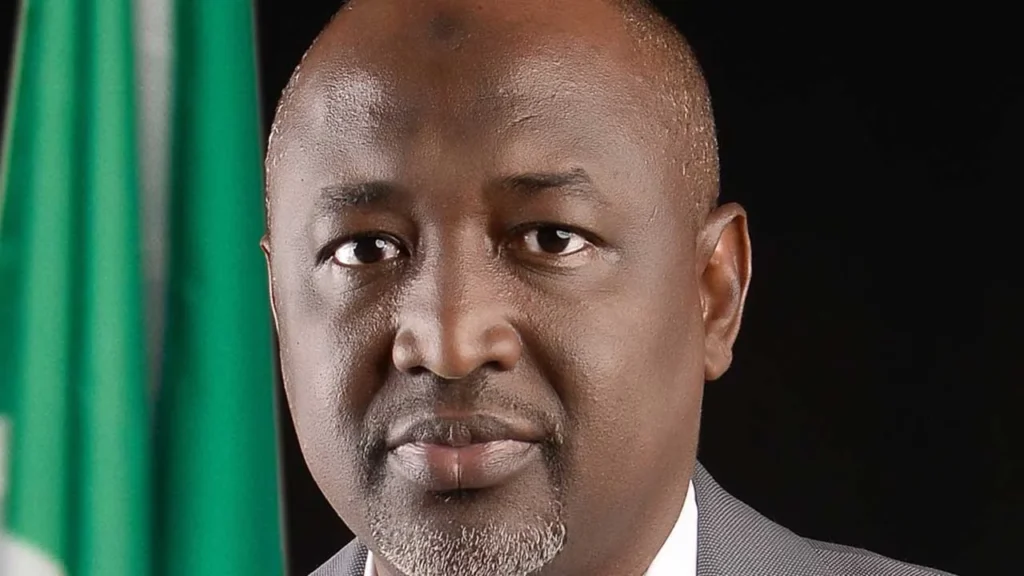
The Federal Government has announced an expansion of financial support for cancer patients through enhanced health funding and insurance programmes, alongside renewed investments in local drug production, research and clinical trials aimed at improving access to affordable cancer care.
The Director-General of the National Institute for Cancer Research and Treatment (NICRAT), Prof. Usman Malami, disclosed the initiatives during the Best of American Society of Clinical Oncology (ASCO) Africa 2026 conference held in Abuja.
Speaking at the conference, themed “From Global Discovery to Local Delivery: Driving Africa to the Cutting Edge of Cancer Care,” Malami said the government was implementing a range of interventions to reduce the financial burden of cancer treatment, which remains unaffordable for many Nigerians.
He explained that the Catastrophic Health Fund, managed by the National Health Insurance Authority (NHIA), provides subsidies for cancer prevention, diagnosis, chemotherapy and radiotherapy for eligible patients. He added that NICRAT also administers the National Cancer Health Fund, which offers financial assistance to indigent cancer patients.
According to him, the funding mechanisms are part of broader government efforts to improve access to quality cancer care while reducing out-of-pocket expenses for patients and their families.
Malami also highlighted the Presidential Initiative for Unlocking the Healthcare Value Chain, noting that the programme is expected to boost local production of cancer medicines, reduce dependence on imported drugs and make treatment more affordable.
He said participants at the conference were reviewing major scientific findings presented at the recent ASCO Annual Meeting to identify innovations that could be adapted to African healthcare systems.
Special Adviser on Research and Innovation to the Minister of State for Health, Dr. Lolade Adewale, said the government was also expanding insurance coverage for cancer treatment through the Cancer Health Fund and the Social Determinants of Health Fund.
She disclosed that ongoing reforms would further strengthen financial protection for cancer patients, adding that additional details on the expanded insurance initiatives would be unveiled within the next year.
Adewale further revealed that Nigeria had commenced three immunotherapy clinical trials for the first time, enabling eligible patients to access advanced cancer medicines, including Nivolumab and Keytruda, at no cost through research programmes.
She said the initiative would not only improve patient access to innovative therapies but also reduce the need for Nigerians to travel abroad for specialised cancer treatment.
Health experts at the conference also called for increased investment in cancer research across Africa. The Immediate Past President of the African Organisation for Research and Training in Cancer (AORTIC), Dr. Miriam Mutebi, noted that although Africa bears a significant share of the global cancer burden, it contributes only a small proportion of global cancer research.
She urged African governments to honour their commitment to dedicate one per cent of Gross Domestic Product to research and development, arguing that stronger domestic investment would improve evidence-based diagnosis, treatment and patient outcomes.
The Chief Medical Officer of the American Society of Clinical Oncology (ASCO), Dr. Julie Gralow, stressed the importance of generating research data from African populations, noting that many breakthrough cancer therapies had not been extensively studied on the continent.
She said the collaboration between ASCO and AORTIC is focused on strengthening Africa’s oncology workforce, expanding clinical research capacity and training a new generation of cancer researchers. Gralow also announced that applications for the second round of the Sub-Saharan Africa Clinical Research Scholars Programme would open in October.
Also speaking, AORTIC Vice-President for North America, Dr. Abiola Ibraheem, advocated stronger collaboration among African countries to improve access to innovative cancer treatments, saying collective action would enhance the continent’s bargaining power and accelerate access to life-saving therapies.
The renewed push for improved cancer care comes as Africa continues to experience a rising cancer burden. According to estimates by the World Health Organization’s International Agency for Research on Cancer, the continent records more than one million new cancer cases and over 700,000 cancer-related deaths annually.
Nigeria remains one of the countries most affected in sub-Saharan Africa, with an estimated 127,000 new cancer cases and nearly 80,000 deaths each year. Health experts say improving early diagnosis, expanding treatment infrastructure, increasing specialist capacity and reducing treatment costs are critical to improving survival rates.