




Lagos State is stepping up efforts to achieve universal health coverage with the expansion of mandatory health insurance, new financing initiatives and investments in digital healthcare infrastructure, Governor Babajide Sanwo-Olu has said.
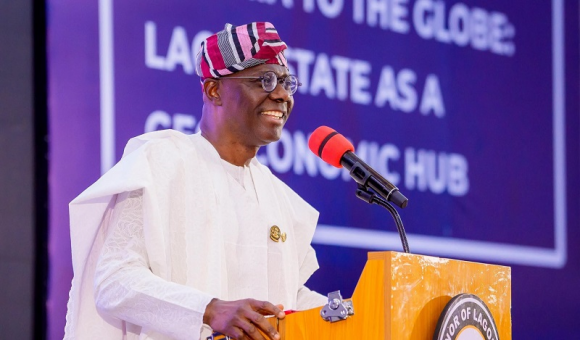
Sanwo-Olu, speaking at the second edition of the Eko Health Convention in Lagos, said the state’s latest healthcare reforms were designed to ensure residents can access quality and affordable medical services regardless of their income or location.
The governor identified mandatory health insurance as a central pillar of Lagos’ strategy to achieve Universal Health Coverage (UHC), disclosing that more than 1.5 million residents are now enrolled in the Lagos State Health Insurance Scheme (LASHMA).
According to him, the growth in enrolment has contributed to increased utilisation of healthcare services across the state, strengthening the role of insurance in financing access to medical care.
The convention, themed “Building a Healthier Lagos: Connecting Access with Excellence,” brought together policymakers, healthcare professionals, development partners and private-sector stakeholders to examine ways of improving healthcare financing, technology, infrastructure and public-private collaboration.
Sanwo-Olu recalled that Lagos domesticated the National Health Insurance Authority Act through an Executive Order signed in July 2024, effectively making health insurance mandatory across the state.
The government has also introduced measures aimed at reducing the financial burden of premiums on residents. One of these is the Ilera Eko EasyPay platform, which enables residents to pay health insurance premiums in instalments rather than making a single upfront payment.
For vulnerable residents, the Lagos State government continues to deploy its Equity Fund to finance insurance premiums, while the Lagos State Health Management Organisation’s Assistance in Distress (LAID) initiative provides a safety net for emergency patients who require treatment before payment arrangements are resolved.
“Our goal is to ensure that healthcare is not a privilege for a few but a right for every resident of Lagos,” Sanwo-Olu said.
Digital health to strengthen insurance ecosystem
Beyond expanding insurance enrolment, the state is investing in digital infrastructure intended to improve the delivery and administration of healthcare services.
Sanwo-Olu said Lagos was implementing the Smart Health Information Platform (SHIP), which is expected to connect patient records across primary healthcare centres, general hospitals and teaching hospitals.
The platform will incorporate electronic medical records, artificial intelligence and data analytics to support diagnosis, disease surveillance, emergency response and evidence-based policymaking.
For the health insurance ecosystem, greater integration of medical records could improve access to patient information, strengthen claims administration and support more efficient healthcare utilisation monitoring.
The digitalisation of health records could also provide insurers and healthcare administrators with better data for assessing utilisation patterns and designing products that respond more effectively to the needs of different population groups.
Infrastructure and workforce investment
The governor said the state was also pursuing major investments in healthcare infrastructure while decentralising administration through six Health Districts.
The approach, he said, is intended to improve governance, reduce waiting times and bring healthcare services closer to residents.
Major projects, including the Massey Children’s Specialist Hospital, Lagos Mental Health Institute and several general hospitals, are reportedly approaching completion.
Sanwo-Olu also acknowledged the shortage of healthcare professionals and disclosed that the state had commenced fresh recruitment and introduced measures to improve workers’ welfare.
He further announced plans for the establishment of a University of Medicine and Health Sciences to strengthen the pipeline of doctors, nurses and other healthcare professionals.
The governor stressed that technology would complement healthcare workers rather than replace them.
Private sector urged to deepen participation
Sanwo-Olu called for stronger collaboration between the Lagos government, private investors and development partners, arguing that public resources alone would not be sufficient to meet the healthcare demands of Africa’s largest megacity.
The call is particularly relevant to the health insurance sector, where insurers, healthcare providers, technology companies and government agencies have increasingly important roles to play in expanding financial protection and improving access to care.
With more than 1.5 million residents already enrolled in LASHMA and mandatory insurance serving as the foundation of Lagos’ UHC strategy, the state’s next challenge will be to sustain enrolment, improve service quality and ensure that insurance coverage translates into timely and affordable healthcare for residents.
The reforms signal a broader shift in Lagos’ healthcare strategy—from individual projects towards an integrated system combining insurance financing, digital technology, infrastructure development and workforce investment.