


The Lagos State Government is stepping up efforts to achieve universal health coverage by expanding participation in its mandatory health insurance scheme and introducing new financing initiatives aimed at making health insurance more affordable for residents.
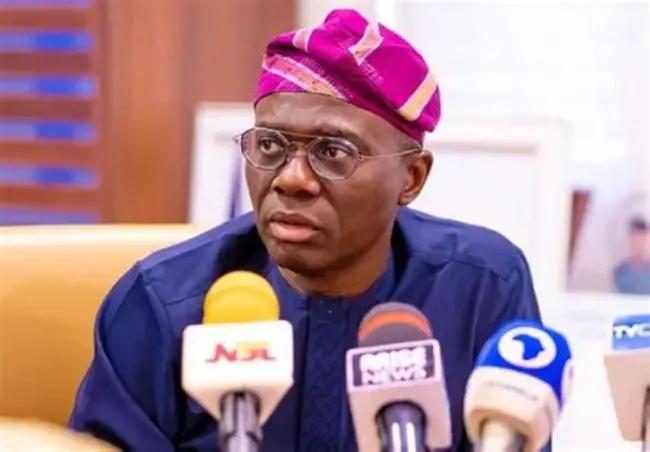
Governor Babajide Sanwo-Olu disclosed that more than 1.5 million residents are currently enrolled in the Lagos State Health Insurance Scheme, describing insurance coverage as a central pillar of the state’s strategy to achieve universal access to healthcare.
Sanwo-Olu made the disclosure at the second edition of the Eko Health Convention in Lagos, where he outlined reforms aimed at building a more sustainable healthcare financing and delivery system.
According to the governor, the state’s objective is to ensure that access to healthcare is not determined by a resident’s income level or location.
Mandatory insurance and flexible premium payments
Lagos strengthened its health insurance framework in July 2024 when the state domesticated the National Health Insurance Authority Act, making health insurance mandatory across the state.
Sanwo-Olu said the policy has contributed to increased enrolment and utilisation of healthcare services, while the government continues to introduce measures to remove financial barriers to participation.
One of the initiatives is Ilera Eko EasyPay, a payment platform that allows policyholders to spread their health insurance premium payments over instalments instead of paying the full amount at once.
The arrangement is intended to make premiums more manageable for households, particularly residents who may struggle with making a single annual payment.
The state is also deploying an Equity Fund to subsidise insurance premiums for vulnerable residents, with the aim of preventing low-income households from being excluded from the health insurance system.
Another initiative, Lagos State Health Insurance Scheme Assistance in Distress, is designed to provide emergency patients with access to treatment while insurance or payment-related issues are being resolved.
Sanwo-Olu said the initiatives were part of a broader objective of transforming healthcare from a service accessible primarily to those who can afford it into a system available to all residents.
“Our goal is to ensure that healthcare is not a privilege for a few but a right for every resident of Lagos.”
Insurance expansion backed by healthcare reforms
The state’s insurance expansion is being accompanied by investments in healthcare infrastructure, digital systems and workforce development, as the government seeks to ensure that increased insurance coverage translates into better access to quality care.
Lagos has decentralised healthcare administration across six Health Districts, a move the government says is intended to improve planning, accountability and community-level service delivery.
The state is also implementing the Smart Health Information Platform, which will connect patient records across primary healthcare centres, general hospitals and teaching hospitals.
The digital platform is expected to incorporate electronic medical records, artificial intelligence and data analytics to support diagnosis, disease surveillance, emergency response and healthcare policymaking.
For insurers and health maintenance organisations participating in the scheme, the expansion of digital records could also improve the availability and quality of healthcare data, potentially supporting better claims management, monitoring and service coordination.
Private sector urged to deepen participation
Sanwo-Olu said government funding alone would not be sufficient to meet the healthcare demands of Lagos, stressing the need for greater participation from private investors and development partners.
The call is particularly relevant to the health insurance ecosystem, where collaboration between government, insurers, healthcare providers and private capital remains critical to expanding risk pooling and ensuring the sustainability of coverage.
Deputy Governor Kadri Hamzat said reforms implemented over the past seven years had strengthened the state’s healthcare delivery capacity, highlighting the decentralisation of healthcare administration as one of the administration’s key interventions.
Commissioner for Health, Prof. Akin Abayomi, said the Eko Health Convention provided an opportunity to assess progress under the Lagos State Health Sector Strategic Master Plan.
Meanwhile, President of the Healthcare Federation of Nigeria, Njide Ndili, reaffirmed the private sector’s willingness to collaborate with the state government to expand universal health coverage through stronger public-private partnerships.
With enrolment now exceeding 1.5 million residents, Lagos is seeking to build on the momentum by combining mandatory insurance participation with flexible premium payments, targeted subsidies, emergency assistance and digital healthcare infrastructure.
The success of the strategy will ultimately depend not only on increasing the number of insured residents but also on ensuring that the health insurance system remains affordable, financially sustainable and capable of delivering timely, quality care when policyholders need it.