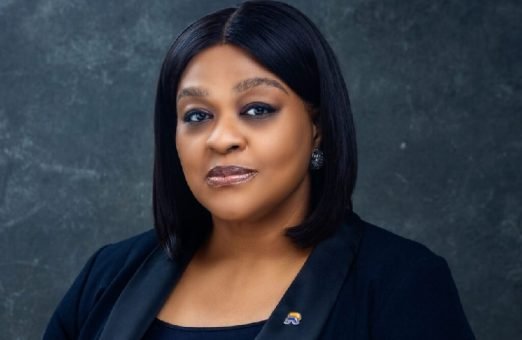




The Chief Executive of Stanbic IBTC Holdings, Chuma Nwokocha, has called for a broader understanding of inclusion in Nigeria, arguing that access to financial services must be complemented by mobility, education, healthcare and social support.
Nwokocha made the case in discussing the company’s Together4ALimb initiative, which supports children living with limb loss through prosthetic assistance and educational funding.
He argued that financial inclusion is often measured by access to banking, credit, insurance and other formal financial services, but said meaningful participation in the economy also depends on whether individuals have the basic conditions needed to develop their abilities and live independently.
According to him, children living with limb loss can face barriers to mobility, education and social participation long before they encounter the formal financial system.
He said Nigeria’s approach to inclusive growth should therefore consider factors beyond the number of bank accounts opened, loans disbursed or businesses financed.
Nwokocha said the availability of mobility aids, quality education, healthcare, appropriate infrastructure and social support could influence an individual’s ability to participate fully in society and the economy.
He cited Together4ALimb as an example of this broader approach to inclusion.
The corporate social investment programme, launched in 2015, has supported 250 children following the addition of 50 beneficiaries in 2026.
Under the programme, each new beneficiary receives an education trust valued at N1.5 million, alongside ongoing prosthetic support as the child grows.
Nwokocha said the combination of prosthetic assistance and educational support was deliberate because the two interventions address different aspects of the challenges faced by children living with limb loss.
While prosthetic devices can improve mobility, he said education could provide a longer-term pathway towards independence, confidence and personal development.
He noted that providing one form of support without addressing other barriers could limit its overall impact. A child may receive educational funding but still encounter difficulties attending school or participating in daily activities if mobility challenges remain unresolved.
Similarly, mobility support alone may not address educational and social barriers.
Nwokocha also stressed that the needs of beneficiaries evolve as children grow.
A prosthetic device provided at one stage of childhood may need to be replaced or adjusted as the child develops, while educational and social requirements also change as beneficiaries progress from early childhood through secondary and tertiary education.
He therefore argued that disability inclusion programmes should be assessed on their long-term outcomes rather than solely on the number of devices distributed or financial commitments made.
According to him, indicators such as school attendance, academic progression, rehabilitation needs, wellbeing, continuity of care and the experiences of beneficiaries and their families can provide a more complete assessment of impact.
He said every child should have access to dignity, mobility, education and opportunity, regardless of disability.
Nwokocha further linked disability inclusion to Nigeria’s broader human-capital development, noting that physical barriers, inadequate facilities, stigma and insufficient support can prevent children from reaching their potential.
He argued that although the immediate consequences of exclusion are often felt by individuals and their families, the wider effects can extend to communities and the national economy.
However, he cautioned against viewing inclusion solely through an economic lens.
According to him, children should not be valued according to their potential future contribution as employees, entrepreneurs or business leaders. Rather, inclusion should be treated as a fundamental right.
He said the economic benefits of inclusion follow from ensuring that people are able to learn, develop their abilities and make meaningful choices about their lives.
Nwokocha consequently called for disability inclusion to be integrated into areas including healthcare, education, employment, infrastructure, technology and economic planning, rather than being treated exclusively as a philanthropic concern.
He said the 2026 Together4ALimb theme, “Be Un’limb’ited,” reflects the programme’s belief that limb loss should not define the limits of a child’s ambitions.
The initiative, he added, underscores the need for sustained support that enables children living with limb loss to remain mobile, continue their education and participate more fully in society.