The National Health Insurance Authority (NHIA) and other health-sector stakeholders have called for revenue generated from health-related taxes, particularly taxes on sugar-sweetened beverages (SSBs), to be deliberately channelled into healthcare financing, disease prevention and expanded health insurance coverage.
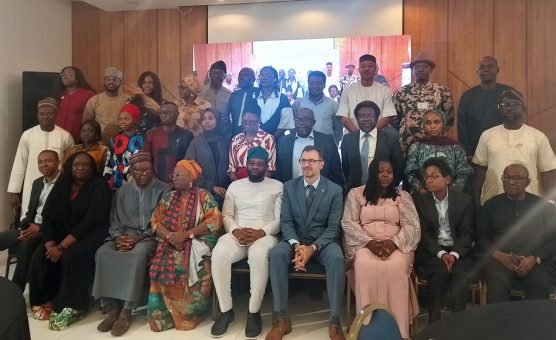
The call was made in Abuja at a national stakeholder health-tax co-creation workshop organised by the NHIA to develop practical mechanisms for using health taxes to discourage unhealthy consumption while generating additional resources for the health sector.
NHIA Seeks Cross-Sector Approach
Director-General of the NHIA, Dr Kelechi Ohiri, said health-tax reform should involve several sectors of government and society, including the Ministries of Health, Finance, Budget and National Planning, Trade and Investment, lawmakers, private-sector organisations and civil society.
He said the need for additional health financing had become more urgent as Nigeria continued to contend with rising cases of diabetes, hypertension, cardiovascular diseases and other non-communicable diseases.
According to him, Nigeria could strengthen its existing SSB tax to discourage excessive consumption while creating an additional source of funding for healthcare.
Ohiri stressed that the proposal was not aimed at banning sugar-sweetened beverages but at encouraging moderation and using part of the resulting revenue to address the health consequences associated with unhealthy consumption.
He said the funds should be targeted at areas such as disease prevention, primary healthcare, diagnosis and health insurance coverage.
SSB Bill Moves Through Legislative Process
Ohiri said the Senate had passed the SSB Bill, while the House of Representatives was expected to consider it before it could proceed to presidential assent.
He said the workshop was designed to ensure that implementation arrangements were developed alongside the legislative process, particularly around revenue allocation, institutional responsibilities, accountability, monitoring and evidence-based decision-making.
He noted that passing legislation alone would not be sufficient without a clear framework for determining how the resulting revenue would be allocated and how its impact would be measured.
The NHIA chief said SSBs were the immediate focus, adding that similar fiscal measures could eventually be considered for tobacco and alcohol.
WHO, Partners Seek Evidence-Based Implementation
WHO Country Representative in Nigeria, Dr Pavel Ursu, said evidence would only influence health-tax reform if it was translated into policy through a clear understanding of Nigeria’s institutions, political economy and the stakeholders capable of driving implementation.
He called for the participation of government ministries, legislators, civil society organisations, the media, non-governmental organisations and other relevant groups.
Dr Kumanan Rasanathan, Executive Director of the Alliance for Health Policy and Systems Research, said attention should extend beyond legislative approval to demonstrating tangible benefits to Nigerians who bear the cost of the taxes.
He said evidence from other settings indicated that taxes on harmful products could help reduce consumption while generating revenue, but stressed the need for stronger coordination between health and finance authorities, communities, civil society and other stakeholders.
Rasanathan also urged policymakers to address concerns about the effect of consumption taxes on poorer households and ensure transparency over how the revenue is used to improve healthcare.
Stakeholders Demand Transparency, Public Engagement
Chairman of the Health System Reform Coalition of Nigeria, Dr Mustapha Lecky, said health taxes could serve both public-health and health-financing objectives if designed and implemented equitably and sustainably.
Chief Moji Makanjuola, Chief Executive Officer of the International Society for Media in Public Health and Chair of Nigeria Universal Health Coverage, stressed the importance of communicating clearly with citizens about the purpose of health taxes and how the proceeds would be spent.
She said communication should extend beyond government institutions to young people, parents, rural communities, consumers, journalists and community leaders to prevent the measures from being perceived solely as an additional financial burden.
Senator Ipalibo Harry Banigo, in remarks delivered on her behalf, said evidence, broad stakeholder consultation and clearly defined implementation mechanisms would be necessary to make health-tax reforms sustainable.
Dr Ebere Anyachukwu, Health Adviser at the UK Foreign, Commonwealth and Development Office, said stakeholders needed to demonstrate measurable benefits of the reforms to Nigerians.
Meanwhile, Dr Yewande Ogundeji, Managing Principal of the Health Strategy and Delivery Foundation, said the workshop would translate available evidence into practical actions, including short-, medium- and long-term interventions.
She said participants would identify priority actions, responsible institutions, timelines and measurable indicators, while also addressing implementation constraints, capacity requirements and accountability mechanisms.