



Meta Description: Mutual Benefits Assurance has urged Nigerians to embrace insurance as low coverage leaves households and businesses vulnerable to financial shocks, disasters and unexpected losses.
Focus Keywords: Insurance in Nigeria, Mutual Benefits Assurance, insurance coverage in Nigeria, financial protection, risk management, life insurance, business insurance, flood insurance.
Nigeria’s Growing Financial Risk
Millions of Nigerians could face devastating financial setbacks when unexpected events strike, as the country continues to grapple with low insurance penetration despite growth in the insurance market.
The Managing Director and Chief Executive Officer of Mutual Benefits Assurance Plc, Olufemi Asenuga, has called for greater integration of insurance and risk management into Nigeria’s sustainable development plans, warning that households, businesses and public institutions need stronger protection against financial shocks.
The call was made during the 19th Annual Research Conference and Fair of the University of Lagos on October 14, 2026. Speaking on behalf of the company’s Group Chairman, Akin Ogunbiyi, Asenuga presented a paper examining the role of insurance in protecting livelihoods, supporting economic growth and safeguarding critical infrastructure.
His message was clear: economic development is not just about building homes, businesses and infrastructure. It is also about ensuring that these investments can survive unexpected losses.
Insurance Premiums Are Rising, but Are More Nigerians Protected?
Nigeria’s insurance market has recorded significant growth in premium income, but wider access to insurance remains a major challenge.
Figures cited in the presentation put gross insurance premiums at approximately ₦2.3 trillion in 2025, representing a 47 per cent increase from about ₦1.56 trillion in 2024.
Although this growth signals expanding activity in the insurance sector, it does not necessarily mean that insurance protection has become accessible to a larger proportion of the population.
Many households and businesses remain exposed to financial losses caused by illness, death, fire outbreaks, flooding and business interruptions.
For families without adequate insurance, a medical emergency or the loss of a major source of income can quickly drain savings accumulated over several years.
Small businesses face similar challenges. A fire, flood or other insured event can damage equipment, destroy inventory and interrupt operations, potentially leaving business owners struggling to recover.
This gap between industry growth and widespread protection highlights the need for insurance products that are affordable, accessible and suited to the financial realities of ordinary Nigerians.
Why Are Many Nigerians Still Reluctant to Buy Insurance?
Several barriers continue to limit insurance adoption across the country.
According to the issues highlighted in Asenuga’s presentation, low incomes, inadequate insurance awareness, public distrust, weak enforcement of compulsory insurance requirements, inflation and the large informal sector all contribute to the problem.
For many Nigerians, insurance is still viewed as an additional expense rather than a financial protection tool.
Others may be uncertain about how policies work, which risks are covered or what happens when they submit a claim.
Concerns about claims settlement and unclear policy conditions can also discourage potential customers from purchasing insurance.
Addressing these challenges will require more than marketing campaigns. Insurance companies must demonstrate that their products offer genuine value, communicate policy terms clearly and settle valid claims efficiently.
Making insurance more accessible to market traders, artisans, farmers, transport operators and other informal-sector workers will also be essential to expanding coverage.
How Insurance Can Protect Nigerian Families From Financial Disaster
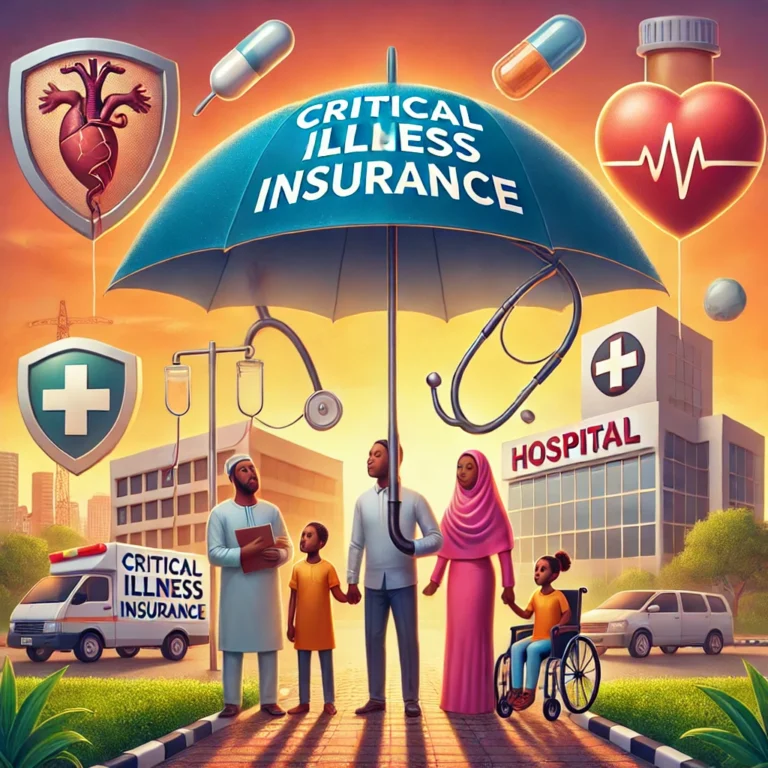
One of the most important roles of insurance is helping families manage the financial consequences of unexpected events.
Life assurance can provide financial support to beneficiaries following the death of an insured person, helping families manage essential expenses and maintain financial stability.
Health insurance can reduce the financial burden of eligible medical expenses, depending on the policy’s coverage and terms.
Home and property insurance can also help eligible policyholders recover from covered losses involving their buildings or belongings.
Without appropriate protection, families may have to rely on personal savings, loans or financial assistance from relatives to recover from major setbacks.
Insurance cannot prevent every loss, but suitable coverage can reduce the financial pressure associated with events covered by a policy.
For households working towards long-term goals such as education, homeownership and retirement, this protection can be an important part of financial planning.
Small Businesses Could Benefit From Better Insurance Protection
Micro, small and medium-sized enterprises play a significant role in Nigeria’s economy, yet many operate with limited financial reserves.
A single major incident can disrupt operations, damage assets or force a business to close.
Business insurance can help eligible enterprises manage covered risks, including certain types of property damage, fire losses, liability claims and business interruption.
However, the protection available depends on the policy purchased, its exclusions, applicable conditions and the circumstances of the loss.
Agriculture is another area where insurance could make a meaningful difference.
Farmers face risks associated with changing weather conditions, flooding, drought and other events that can affect production and income.
Agricultural insurance, including appropriately structured index-based products, can help eligible farmers manage certain losses and reduce their exposure to climate-related risks.
Expanding access to relevant insurance products could strengthen business continuity, support agricultural livelihoods and contribute to food security.
Flooding, Fires and Infrastructure Damage Highlight the Need for Risk Management
Insurance is only one part of a broader strategy for managing risk.
Asenuga’s presentation also emphasised the importance of preventive measures, including effective drainage systems, sound building standards, fire safety and flood-risk mapping.
These measures can help reduce the likelihood or severity of losses before insurance claims become necessary.
For major infrastructure projects, construction and engineering insurance can provide protection against specified risks during development and construction.
The presentation also highlighted the potential role of insurance and pension funds in financing properly structured infrastructure investments.
Such contributions could support development while helping investors manage relevant financial risks, subject to appropriate safeguards and investment requirements.
The broader lesson is that protecting infrastructure requires a combination of sound planning, prevention, risk assessment and suitable financial protection.
What Must Change to Make Insurance More Accessible?
Expanding insurance coverage in Nigeria will require coordinated action from insurers, government agencies, regulators, academic institutions and consumers.
Asenuga called on insurance companies to improve public confidence through ethical business practices, transparent communication, efficient claims management and products that respond to customers’ needs.
Technology could also help insurers reach customers more efficiently, simplify policy administration and develop distribution channels that accommodate different income levels and occupations.
Government and regulators have a role to play in enforcing existing insurance requirements, protecting public assets and strengthening disaster-risk financing.
At the same time, greater public education could help Nigerians understand the purpose of insurance, compare policy options and make informed decisions about the risks they need to protect against.
Universities and insurance companies could contribute through joint research, internships, data sharing and the inclusion of risk management and insurance education in relevant academic programmes.
Community-based financial arrangements, including cooperatives and esusu groups, may also provide opportunities to expand access to group insurance where suitable products and arrangements are available.
Ultimately, increasing insurance adoption will depend on making protection understandable, trustworthy and financially accessible.
What Nigerians Should Do to Protect Their Finances
The discussion raises an important question for individuals and business owners: how prepared are they to deal with an unexpected financial setback?
Nigerians can take several practical steps to assess their exposure to risk and make informed decisions about insurance.
1. Identify your biggest financial risks. Consider the events that could significantly affect your household income, business operations, property or long-term savings.
2. Review your existing policies. Check what your current insurance covers, the applicable limits, exclusions, deductibles and claim requirements.
3. Compare suitable insurance products. Different policies offer different levels of protection. Choose coverage based on your needs, financial circumstances and the risks involved.
4. Understand the claims process. Before purchasing a policy, ask how claims are submitted, what documents are required and which conditions must be satisfied.
5. Protect your assets through prevention. Maintain buildings and equipment, follow fire-safety practices and take reasonable measures to reduce exposure to flooding and other hazards.
6. Seek clarification before signing. Make sure you understand the policy wording, premium obligations and circumstances in which a claim may be declined.
These steps can help consumers make better decisions and avoid assuming that a policy provides protection beyond its actual terms.
The Bottom Line: Economic Progress Needs Financial Protection
Mutual Benefits Assurance’s call highlights a challenge that extends beyond the insurance industry: sustainable development requires more than economic growth and new investments. It also requires practical ways to protect the people, businesses and infrastructure that make that progress possible.
Although Nigeria’s insurance market has experienced growth in premium income, many households and businesses remain vulnerable to unexpected financial shocks.
Expanding access to affordable products, strengthening public confidence, improving claims management and enforcing relevant insurance requirements could help close this protection gap.
For Nigerians, the message is worth considering. Financial security is not simply about earning more or accumulating assets. It is also about understanding the risks that could threaten those achievements and taking reasonable steps to manage them.