



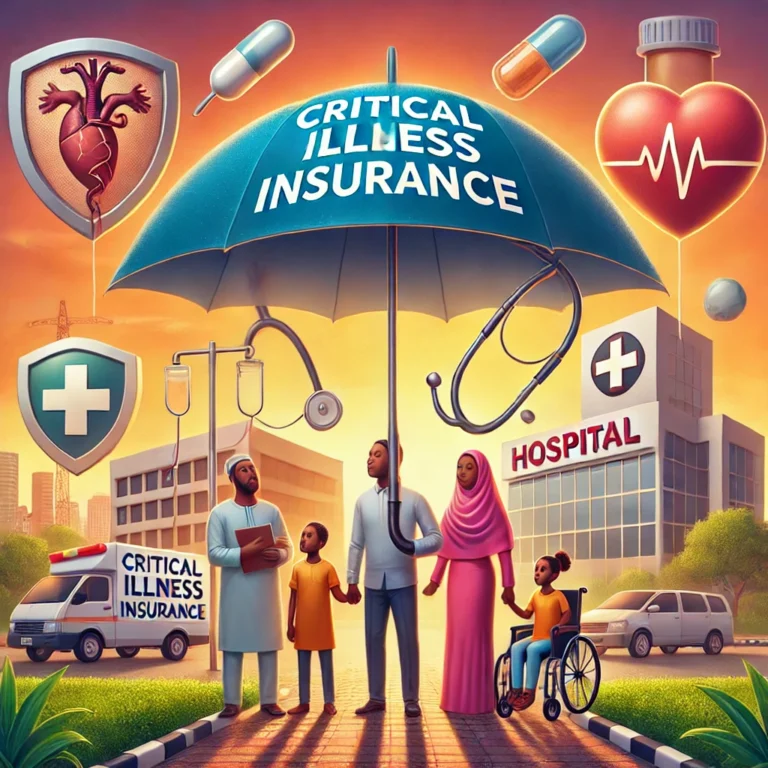


President Bola Tinubu’s directive to enforce the National Health Insurance Act (2022) across all ministries, departments, and agencies (MDAs) has been welcomed as a positive step for Nigeria’s healthcare system. The policy requires MDAs to enrol staff in the National Health Insurance Authority (NHIA) plan, while making a valid Health Insurance Certificate a prerequisite for public procurement, licensing, and other official approvals. A digital verification platform will also be introduced to improve transparency and curb forgery.
While this directive signals political commitment to expanding coverage, experts caution that it will not by itself ease the burden of out-of-pocket spending or improve outcomes for the most vulnerable Nigerians.
Currently, only 3–5 per cent of Nigerians have health insurance, with most coverage concentrated in the formal sector. This leaves more than 95 per cent of the population paying medical bills directly, often with devastating financial consequences. For many households, a health emergency can mean selling assets, pulling children out of school, or sinking further into poverty.
Nigeria’s deeper challenge lies in underinvestment. In the 2025 budget, health received just 5.15 per cent of total spending—well below the 15 per cent commitment made under the 2001 Abuja Declaration. Per capita health expenditure stands at only $7.8, one of the lowest globally. With such limited funding, reforms like mandatory insurance risk becoming symbolic rather than transformative.
Experts argue that real progress will require:
- Increased and efficient financing – boosting health budgets while addressing leakages, duplication, and mismanagement.
- Extending coverage to the informal sector – designing affordable plans for market traders, artisans, small businesses, and rural communities.
- Strengthening primary healthcare – ensuring local clinics are staffed, equipped, and capable of handling basic health needs.
- Leveraging public-private partnerships – supporting innovative insurance models and digital solutions that can complement government schemes.
Tinubu’s directive may streamline compliance, but it is not a silver bullet. Without structural reforms, most Nigerians will remain excluded from meaningful health protection.
A healthier population is not just a social goal but an economic necessity. For health insurance to become a true guarantee for all Nigerians—not just a privilege for the few—Nigeria must go beyond certificates and compliance to build a stronger, better-funded, and more inclusive health system.