





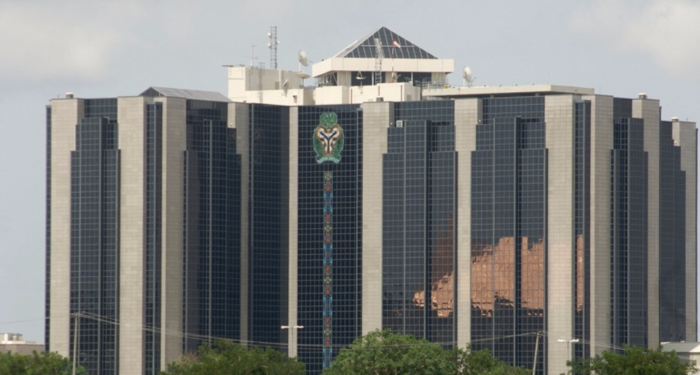
The Central Bank of Nigeria (CBN) and the Nigeria Deposit Insurance Corporation (NDIC) have asked the Federal High Court in Abuja to decline jurisdiction in a suit filed by Aso Savings & Loans Plc and Union Homes Savings & Loans Plc over the revocation of their operating licences.
At proceedings on Monday before Justice Emeka Nwite, both regulators raised preliminary objections, arguing that the court lacks the competence to entertain the matter.
The dispute arose following the CBN’s withdrawal of the mortgage banks’ licences, a decision that prompted the NDIC to initiate liquidation processes, sparking concerns around depositor protection and regulatory procedure.
Counsel to the CBN, Onyeka Ezeah, told the court that jurisdiction is “the lifeline of a case” and must be resolved before any substantive issues are considered. She cited a 2022 Supreme Court judgment to support the position that jurisdictional questions take precedence over all other applications.
NDIC’s counsel, Abubakar Shehu, aligned with the CBN’s argument, insisting that the corporation acted strictly within the powers conferred on it by law. He said the NDIC had already filed a preliminary objection and counter-affidavit, adding that the matter was ripe for hearing.
However, counsel to the mortgage banks, Joseph Silas, argued that the court had scheduled the matter for the defendants to show cause why they should not be restrained from taking further steps. He contended that although the CBN revoked the licences, the affected institutions are entitled under the law to a 30-day period to challenge the decision, during which liquidation actions should be halted.
Silas warned that allowing the NDIC to proceed with liquidation could irreversibly prejudice the plaintiffs if the court later rules that the revocation was unlawful. He urged the court to order all parties to maintain the status quo pending the determination of the substantive suit.
Both regulators opposed the request, maintaining that once a financial institution’s licence is withdrawn, the NDIC is empowered to take over immediately in order to protect depositors who can no longer access their funds.
In his remarks, Justice Nwite questioned the propriety of granting any restraining order while preliminary objections challenging the court’s jurisdiction were pending. Describing jurisdiction as a threshold issue, he said the court would avoid embarking on an “exercise in futility” and adjourned the case to January 21 for hearing of the defendants’ objections.
The suit was filed by Aso Savings, Union Homes and two shareholders after the CBN revoked the lenders’ licences in December 2025, citing failure to meet minimum capital requirements, inadequate assets to cover liabilities, persistent undercapitalisation and non-compliance with regulatory directives.
In their filings, the plaintiffs argued that the CBN failed to follow due process as stipulated under the Banks and Other Financial Institutions Act (BOFIA) 2020, and that the NDIC moved too swiftly to commence liquidation, thereby undermining their statutory right to challenge the regulator’s decision.
The CBN, however, said its action was necessitated by persistent regulatory infractions and deteriorating financial conditions at the two primary mortgage banks, adding that the decision was taken in line with Section 12 of BOFIA 2020 and Section 7.3 of the Revised Guidelines for Mortgage Banks in Nigeria.