



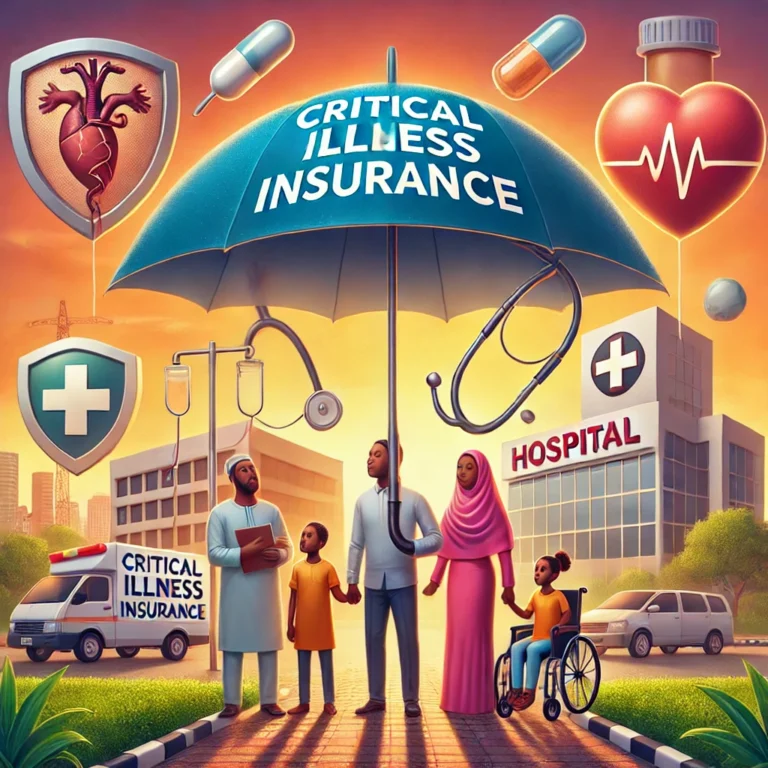


The federal government has announced plans to expand health insurance coverage to at least 44 million Nigerians by 2030, as part of efforts to reduce the country’s heavy reliance on out-of-pocket health spending.
Minister of State for Health, Dr. Iziaq Salako, disclosed this on Monday in Abuja during the opening of the National Health Financing Policy Dialogue, a four-day forum themed “Reimagining the Future of Health Financing in Nigeria.” The event brings together government officials, civil society, development partners, and the private sector to explore new strategies for sustainable health funding.
Salako said the National Health Insurance Act 2022, which makes health insurance mandatory and creates a Vulnerable Group Fund, is central to the plan. He explained that the government’s commitment under the Presidential Performance Agreement is to enrol 44 million Nigerians into the national scheme by 2030.
“This will significantly reduce out-of-pocket health spending, which currently accounts for about 70 per cent of total health expenditure,” he noted. “We are focused on strengthening the framework, expanding coverage, and ensuring sustainability while addressing challenges like inadequate funding, inefficiencies, fragmented programmes, and poor data systems.”
The minister also pointed out that Nigeria’s health budget has risen from ₦434 billion in 2018 to ₦2.48 trillion in 2025, representing 5.18 per cent of the federal budget. While this marks progress, he admitted it still falls short of the 15 per cent Abuja Declaration target.
Director-General of the National Health Insurance Authority (NHIA), Dr. Kelechi Ohiri, said stronger domestic health financing was critical, stressing that Nigeria faces “multiple transitions” in its health sector. He added that civil society, the private sector, and state governments must play active roles in shaping workable solutions.
Coordinating Minister of Health and Social Welfare, Professor Ali Pate, underscored the need to boost domestic health investments, warning that Nigeria cannot continue to rely on foreign aid. He revealed that the country spends just $30 per person on public health financing, leaving citizens to shoulder more than two-thirds of total costs.
Representing the Association of Wives of FCT Traditional Rulers, Hajia Hauwa Adamu called for greater inclusion of women and vulnerable groups in health financing decisions. She argued that policies are often designed “for them, without them,” stressing that empowering women to understand budgets and financing would strengthen their advocacy.
She also lamented hidden costs in maternal and child healthcare services, warning that long waiting lists and unexpected fees often force families back to home deliveries and traditional birth attendants, undermining government policies on free healthcare.