



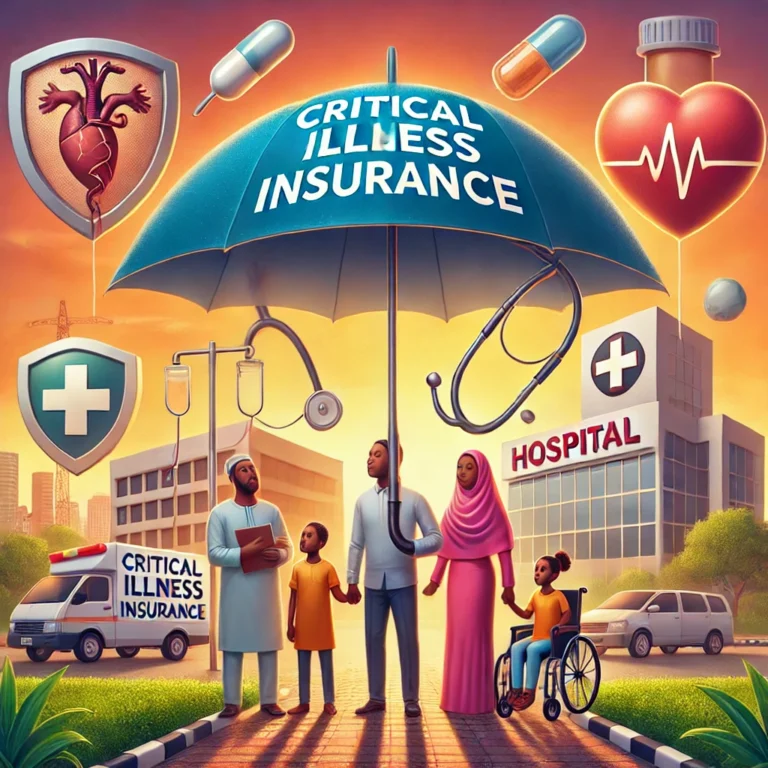

The Federal Government is considering fresh fiscal measures to mobilise resources for health financing, with a focus on expanding access and improving outcomes across Nigeria’s health system.
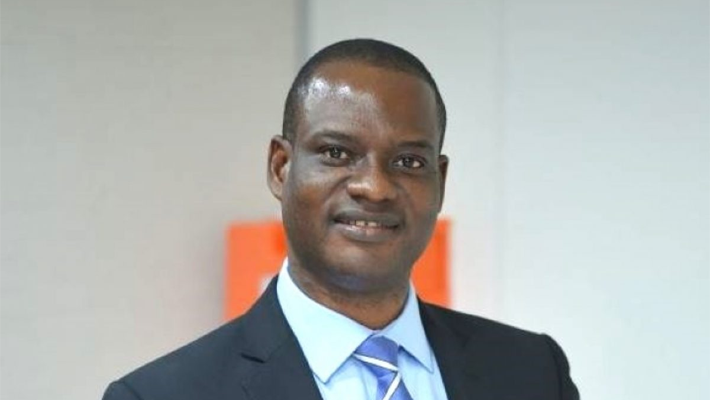
Chairman of the Presidential Fiscal Policy and Tax Reforms Committee, Taiwo Oyedele, disclosed this on Thursday in Abuja during the National Health Financing Policy Dialogue, organised by the National Health Insurance Authority (NHIA) in collaboration with partners.
With the theme “Reimagining the Future of Health Financing in Nigeria”, the dialogue aimed to explore sustainable models that can make healthcare more equitable, resilient, and accessible, especially as African countries face mounting fiscal pressures, fragile health systems, and dwindling donor support.
Oyedele outlined proposals that would combine taxation, incentives, and partnerships to strengthen health financing. He said statutory contributions, including mandatory health insurance schemes through the NHIA, must be expanded to cover more Nigerians. He also highlighted the potential of earmarked taxes on “sin goods” such as tobacco and alcohol, as well as levies on carbon emissions, to generate dedicated health funding.
Other recommendations include tax-deductible donations to encourage philanthropy, tariff waivers, and zero-rated taxes on health services and equipment to ease costs for providers and patients.
“The government is also exploring impact investing and public-private partnerships, supported by concessionary tax rates, as a sustainable model to complement public funding,” he said.
Oyedele stressed that fiscal policy should go beyond revenue mobilisation to influence healthy lifestyles, support nutrition and wellness-related businesses, and prepare the country for future health emergencies.
Quoting a popular saying, he noted: “A healthy man has a thousand wishes; an unhealthy man has only one.” He added that Nigeria’s policies must prioritise prevention, invest in people, and deliver measurable results.
Also speaking at the event, Donald Kaberuka, the African Union’s Special Envoy for Mobilising International Economic Support for the Continental Fight Against COVID-19, said the pandemic proved that governments, development partners, and the private sector can overcome challenges when working in solidarity.
Kaberuka argued that pairing sustainable domestic resource mobilisation with targeted international support could help African countries build resilient health systems and achieve greater self-reliance.
Discussions at the policy dialogue focused on expanding health insurance coverage, strengthening primary healthcare, promoting innovative financing, and improving collaboration across government, the private sector, and civil society. Participants also underscored the importance of evidence-based policies to reduce out-of-pocket spending, ensure resources reach vulnerable populations, and create equitable health systems across Nigeria and the continent.
The dialogue brought together policymakers, legislators, development partners, and civil society representatives to chart a path toward accountable and sustainable health financing.