




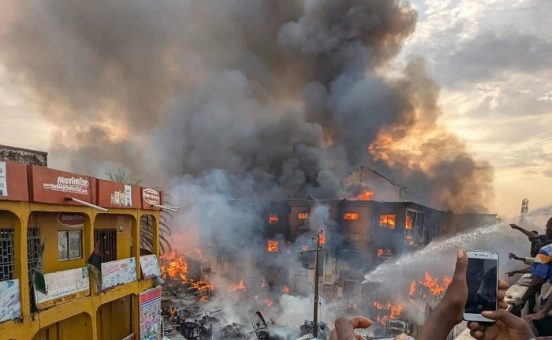
The Nigerian Council of Registered Insurance Brokers (NCRIB) has extended heartfelt sympathy to hundreds of traders and business owners left devastated by the inferno that tore through a major market in Kano State, reducing goods worth millions of naira to ashes.
The blaze, which swept through stalls and warehouses with alarming speed, has left many victims grappling with painful losses and an uncertain future. For countless families who depend on daily trade for survival, the fire has not only destroyed merchandise but also threatened their very livelihoods.
In a statement addressing the tragedy, NCRIB President, Mrs. Ekeoma Ezeibe, described the incident as a sobering reminder of the rising wave of market fires across the country.
“Market fires have become rampant in the country. It is time for government and relevant stakeholders to take concrete steps to prevent these recurring disasters,” she said. She warned that beyond the immediate destruction, such incidents strip hardworking Nigerians of their means of survival and deepen economic hardship.
Ezeibe emphasized that while emergency response and government support are critical, prevention and preparedness must take center stage. She urged traders and market leaders to view insurance not as an optional expense, but as an essential shield against unforeseen disasters.
“Insurance remains the main risk management device that can help traders recover from such losses and return to business with minimal disruption,” she noted, stressing that adequate coverage can mean the difference between permanent closure and a swift recovery.
The NCRIB president also highlighted the opportunities presented by the Nigerian Insurance Industry Reform Act 2025, encouraging business owners to take advantage of its provisions to better protect their enterprises and assets.
While commending the Kano State Government for pledging to investigate the cause of the fire and provide support to affected traders, she pointed out that broader insurance adoption would significantly reduce the financial strain on government interventions. According to her, this would allow public funds to be redirected toward critical development projects.
The Council ultimately called for stronger collaboration among government agencies, market authorities, and insurance stakeholders to improve fire safety infrastructure, enforce preventive regulations, and deepen insurance awareness across the country.
As traders begin the painful task of rebuilding, NCRIB’s message is clear: sympathy must be matched with action — and protection against tomorrow’s disasters must start today.