


Determined to end the needless deaths of mothers and newborns, the Lagos State Government has launched an ambitious plan to make childbirth safe for every woman in the state.
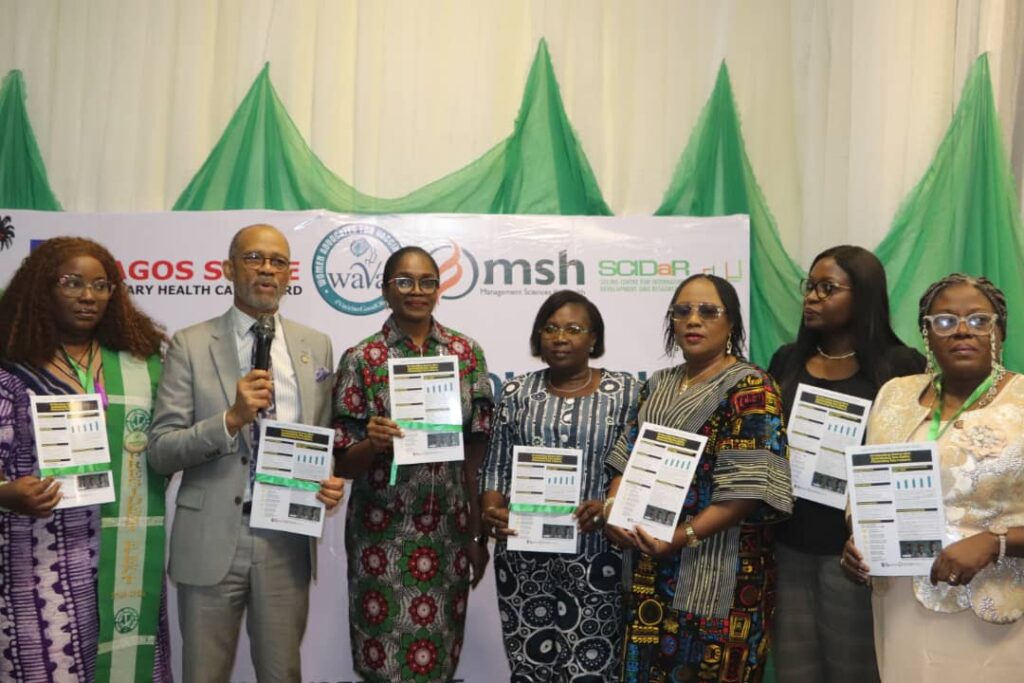
In collaboration with the Federal Ministry of Health and key development partners, Lagos kicked off a five-day Maternal and Neonatal Mortality Reduction Innovation Initiative (MAMII) Activation Workshop on Monday at Protea Hotel, Alausa. The goal: a united, data-driven approach to eliminate preventable maternal and infant deaths across the state.
“Every Woman Deserves to Live Through Childbirth”
Opening the event, Professor Akin Abayomi, Lagos State Commissioner for Health, delivered a passionate address.
“Lagos is deeply troubled by the persistent scourge of maternal and infant mortality,” he declared. “We are determined to interrogate the root causes and dismantle the barriers to quality care.”
Abayomi described the irony of Lagos—Nigeria’s most advanced state—still struggling with deadly healthcare gaps worsened by rapid population growth. “Once you cross into Lagos, you become the government’s responsibility. If you fall ill, you become mine,” he said emphatically.
The Commissioner revealed that the government is mining health data to uncover the true scale of the crisis. “We must not be a one-eyed giant among the blind. Lagos must lead with both eyes open,” he said.
Compulsory Health Insurance and Strengthened Primary Care
A key part of the new strategy is universal health coverage. Governor Babajide Sanwo-Olu has signed an executive order domesticating the National Health Insurance Authority Act, making health insurance mandatory for all Lagos residents.
“This will protect families from catastrophic health expenses and ensure everyone can access care when they need it,” Abayomi explained.
To reinforce primary healthcare, Lagos plans to upgrade 47 of its 327 Primary Health Centres this year and ensure more equitable access across local wards. The proposed University of Medicine and Health Sciences is also set to produce over 3,000 health professionals annually within five years—filling critical workforce gaps.
A Crisis That Demands Urgency
Dr. Kemi Ogunyemi, Special Adviser to the Governor on Health, painted a stark picture: “Lagos ranks third in Nigeria for maternal and infant deaths. This is not a ranking we can accept.”
She noted that Lagos absorbs over 3,000 new residents daily, straining its healthcare system, and warned that malnutrition remains a silent killer of children. Ogunyemi called for stronger coordination, better data, and swift nutrition interventions under the state’s T.H.E.M.E.S+ Agenda, which prioritises health and environmental sustainability.
Ambitious Targets and Data-Driven Action
National MAMII Lead, Dr. Dayo Adeyanju, outlined the initiative’s bold goals:
- 30% reduction in maternal deaths by 2030
- 60% increase in facility-based deliveries in high-risk areas
MAMII, he said, will confront the major delays that cost lives—from slow decision-making to lack of access—through targeted funding and multi-sector collaboration.
Saving Newborns, Strengthening Systems
Dr. Beatrice Ezenwa, Associate Professor of Neonatology and Lagos focal person for the Nigeria Society of Neonatal Medicine, revealed that 37% of under-five deaths in Nigeria now occur in the first month of life.
She said MAMII will focus on newborn survival, emphasizing essential care, better infrastructure, digital training for health workers, and integration of newborn health data into national systems. “Every child must survive and thrive,” she said.
Representatives from the World Health Organization (WHO), National Primary Health Care Development Agency (NPHCDA), and National Health Insurance Authority (NHIA) commended Lagos for taking the lead and urged stakeholders to turn strategies into measurable action.
“No Woman Should Die Giving Life”
Dr. Olajumoke Oyenuga, Director of Healthcare Planning, Research, and Statistics, summed up the workshop’s mission: to identify and eliminate the five key delays that cost women their lives—from late decisions to inadequate facility care.
“MAMII connects emergency transport, skilled care, and community participation. No woman should die giving life,” she said.
By Friday, October 10, 2025, participants—ranging from policymakers and healthcare experts to community leaders—are expected to deliver a transformative roadmap for safer motherhood and childhood in Lagos State.
With clear data, political will, and cross-sector collaboration, Lagos is making one thing clear: the era of preventable maternal deaths must end.