




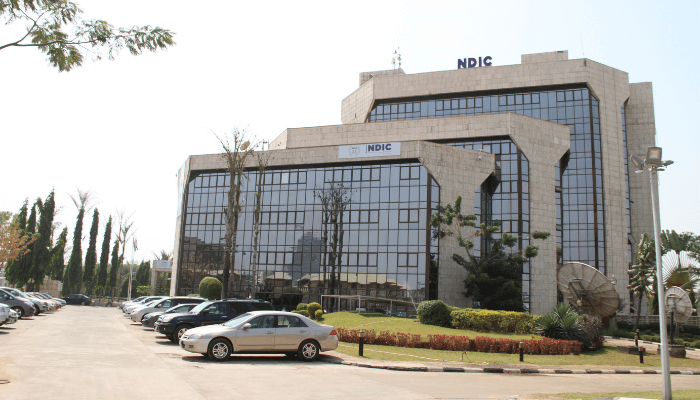
The Nigeria Deposit Insurance Corporation (NDIC) has reiterated its unwavering commitment to supporting law enforcement agencies in the fight against financial crimes and fraud within the Nigerian banking sector.
This assurance was given by Emily Osuji, Acting Managing Director of NDIC, during the Corporation’s annual capacity-building workshop for law enforcement agencies, held on Monday. The workshop is part of ongoing efforts to deepen collaboration with key institutions such as the Financial Malpractices Investigation Unit (FMIU), Nigerian Financial Intelligence Unit (NFIU), Economic and Financial Crimes Commission (EFCC), Independent Corrupt Practices Commission (ICPC), Federal Ministry of Justice, Federal Ministry of Finance, and the Central Bank of Nigeria (CBN).
“We recognize the challenges involved in investigating and prosecuting financial malpractices and bank fraud, but we urge you to persevere. You can count on our consistent and firm support,” Osuji told participants.
She disclosed that the NDIC’s collaborative efforts with these agencies are already delivering tangible results:
- 11 cases are currently being prosecuted in various courts,
- 25 cases are under investigation with the FMIU,
- 8 ongoing cases with the EFCC, and
- 9 completed investigations have been forwarded to the Ministry of Justice for further action.
“These figures are clear evidence that our cooperation is effective and yielding results,” Osuji said.
Themed “Investigating and Prosecuting Financial Malpractices in Banks: A Critical Analysis of Strategies to Prevent Bank Failures,” the workshop aims to build on previous engagements and reinforce a united stand against insider abuse and fraudulent practices that threaten the stability of the banking system.
She warned that unchecked financial malpractices could significantly erode public confidence and trigger institutional failures, noting that the session also supports the work of the Inter-Agency Task Force on the Implementation of the Failed Banks Act.
Osuji stressed the importance of maintaining the momentum across all task force agencies and reaffirmed NDIC’s dedication to strengthening inter-agency collaboration—particularly in investigating and prosecuting financial crimes.
Recognizing the rapidly evolving nature of financial threats, Osuji emphasized the increasing risk posed by cybercrime and the urgent need for law enforcement officers to stay informed and agile. She outlined common fraud types in Nigeria’s banking system, including:
- ATM and card-related frauds,
- Fraudulent transfers and withdrawals,
- Internet banking scams,
- Use of stolen or forged instruments,
- Unauthorized credits,
- Direct cash theft,
- Money laundering,
- Terrorism financing, and
- Emerging cyber threats.
In his welcome remarks, Olufemi Kushimo, Director of the NDIC Legal Department, acknowledged the growing prevalence of financial fraud and cybercrime, calling the workshop a critical forum for reinforcing Nigeria’s collective resolve to protect its financial ecosystem.
He emphasized that robust inter-agency collaboration is essential for safeguarding depositors and ensuring long-term economic growth. “Strengthening prosecution and deterrence is key to restoring trust in the banking system. A safe financial environment is essential to Nigeria’s vision of becoming a $1 trillion economy,” Kushimo said.
He called on participants to remain focused and work toward practical solutions that enhance the legal framework and minimize internal fraud, ultimately fortifying Nigeria’s financial institutions against future crises.