




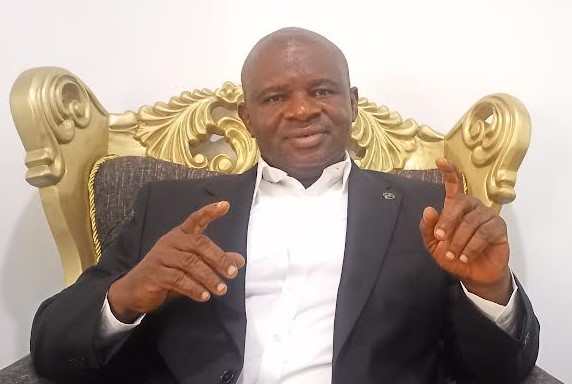
Dr Dennis Nnorom, Managing Director and CEO of Pinnacle Insurance Brokers, says the Nigerian Financial Intelligence Unit (NFIU) has dealt a major blow to fraudulent foreign transactions in Nigeria’s insurance industry, helping to curb money laundering and illegal capital flows.
In an interview, Nnorom explained that under the Nigerian Insurance Industry Reform Act (NIIRA) 2025, insurance transactions — especially refunds and cancellations — are now tightly monitored and reported to regulators, making it harder to exploit the system. “You can no longer bring money in as premiums and quietly move it out. That loophole has been shut,” he said.
With over 30 years in the sector, Nnorom said Nigeria’s biggest insurance challenge remains low public awareness and trust, though he noted significant improvements driven by reforms, professional training and stronger regulation. He stressed that licensed insurance brokers now play a critical role in protecting policyholders and ensuring claims are paid fairly.
He also said rising insecurity should ordinarily boost insurance demand but acknowledged that affordability and limited financial literacy have slowed adoption. However, flexible payment plans — quarterly and half-yearly premiums — are making insurance more accessible, with monthly plans likely in the future.
On reforms, Nnorom praised NIIRA 2025 for consolidating past insurance laws and strengthening oversight across underwriting, brokerage and reporting systems. He said recapitalisation would help insurers retain larger risks locally, reduce capital flight and strengthen balance sheets.
Turning to taxation reforms, Nnorom welcomed exemptions for low-income earners and moves toward taxing net income rather than gross earnings, while warning that multiple taxation continues to hurt businesses and consumers.
He also criticised Nigeria’s budget implementation culture, saying poor execution — not poor planning — remains the country’s biggest governance problem. “Until we treat budgets like business plans and ensure continuity, abandoned projects will continue,” he said.
Despite challenges, Nnorom expressed optimism that stronger regulation, deeper insurance penetration and rising investor confidence could position the sector as a key contributor to Nigeria’s long-term economic growth.