


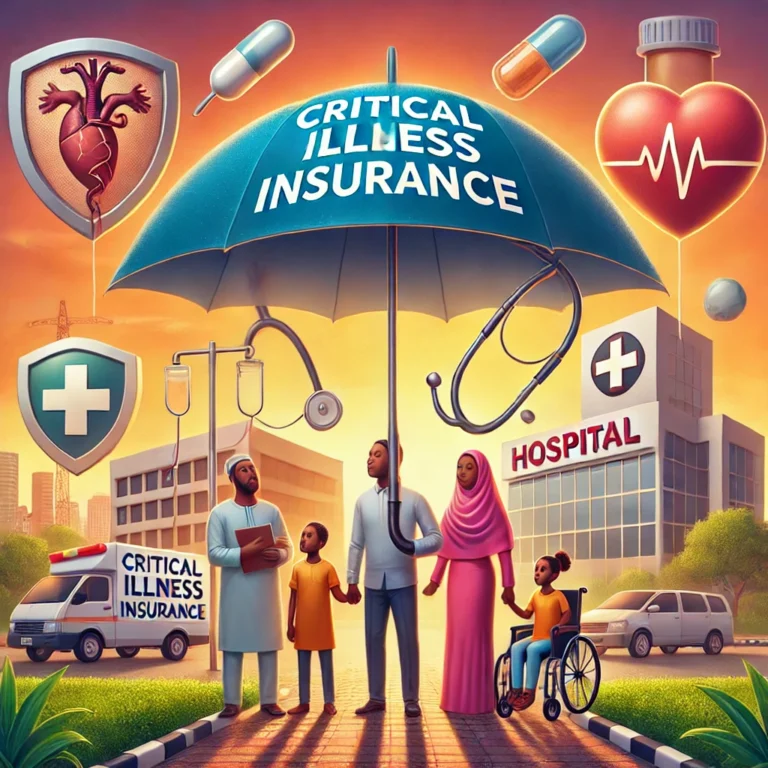

The Nigerian Council of Registered Insurance Brokers (NCRIB) has raised concerns over the country’s low insurance adoption rate, revealing that over 70% of Nigerians remain without any form of insurance coverage.
At a media parley and investiture ceremony held in Abuja, the newly appointed Chairman of the NCRIB Abuja Area Committee, Ojo Richard, noted that insurance penetration in Nigeria currently stands at a mere four percent. Although this figure is gradually improving, Richard described it as “still grossly inadequate.”
He stressed the need for Nigerians to view insurance not as an unnecessary expense, but as a vital component of financial planning.
“Most middle- and low-income earners in Nigeria place insurance at the bottom of their priorities. That narrative must change. Insurance should come first,” he stated.
Richard announced that NCRIB would embark on a nationwide awareness campaign from June 30 to July 4, targeting major cities like Lagos, Ibadan, and Port Harcourt. The campaign will feature roadshows, and engagement activities in markets, schools, and religious institutions, aiming to demystify insurance and promote its relevance.
He added that the Council would leverage both traditional and digital media to extend its reach and focus on underserved populations, particularly in the informal sector.
“We’re investing in the future too. We’re establishing insurance clubs in secondary schools and creating endowment funds to encourage young people to study and join the industry,” Richard said.
Also speaking at the event, NCRIB President Babatunde Oguntade emphasized the Council’s new customer-centric approach, stressing the need to develop personalized insurance products tailored to the unique needs of individuals.
“No two customers are the same. Brokers must understand the pulse of each client to design policies that truly address their specific risks,” Oguntade explained.
He underscored the importance of accurate risk profiling, transparent claims processing, and building inclusive insurance products for vulnerable groups—such as people with disabilities and those with limited income.
“Some brokers now offer verbal interpretations of policies for the visually impaired, but we must go further. More accessible formats and inclusive practices are needed across the board,” he said.
Speaking in support of the initiative, Commissioner for Insurance and CEO of NAICOM, Mr. Olusegun Omosehin, highlighted the broader importance of insurance in managing risk and securing Nigeria’s future.
“Every decision—whether by individuals, businesses, or government—carries uncertainty. Insurance is the tool we need to navigate those uncertainties and protect our shared future,” Omosehin said.
He called for collective responsibility across the insurance ecosystem—insurers, brokers, agents, and regulators—to uphold ethics, professionalism, and service excellence.
To support ongoing reforms, Omosehin outlined key actions the industry must take:
- Public education on the value of insurance
- Product development tailored to both formal and informal sectors
- Prompt and transparent claims handling
- Investment in talent and digital technology
On the recently launched Insurance Week, Omosehin described it as an opportunity to sustain public engagement and deepen awareness across the country.
“From Lagos to Abuja, Port Harcourt to Kano, interest in insurance is rising. This momentum must not be lost,” he said.
He concluded by urging all stakeholders to remain committed to building an insurance industry that delivers real value to Nigerians and supports national development goals.
“Insurance is not a luxury; it is a necessity. It must become part of the everyday financial toolkit for individuals and businesses alike,” Omosehin affirmed.
With its reforms and renewed focus on inclusion and innovation, NAICOM said it is determined to reposition the insurance sector to better support Nigerians and help the country manage risks more effectively in an increasingly uncertain world.