



Nigeria’s insurance industry is under renewed scrutiny as regulators intensify a nationwide crackdown on fake insurance cartels blamed for draining billions of naira and crippling sector growth.
Despite years of reforms and enforcement of compulsory insurance policies, the industry remains stuck in a low-growth cycle, with penetration rates hovering between just 0.4% and 0.6% of Gross Domestic Product far below the global benchmark of 6% to 7%.
Industry experts say the root of the problem lies in a deeply entrenched underground market dominated by counterfeit motor insurance syndicates. These illegal operators, often working alongside touts and compromised enforcement officials, sell fake third party motor insurance policies at heavily discounted rates to unsuspecting motorists.
The result is a massive loss of revenue for legitimate insurers and a widening trust deficit among consumers.
Across major cities including Lagos and Abuja, fake insurance certificates are openly sold in motor parks, licensing offices, and roadside locations. Many motorists, driven by cost and convenience, unknowingly purchase invalid policies that offer no protection when claims arise.
“Most buyers just want something to show law enforcement officers,” a Lagos-based insurance agent revealed. “They only realize the consequences when it’s too late.”
The fraudulent networks are highly organized, targeting vehicle owners in high-pressure situations such as document renewals. By offering quick, cheap alternatives that closely resemble genuine certificates, these cartels have built a thriving illicit market that continues to undermine the formal insurance sector.
Regulatory authorities, however, are now stepping up efforts to dismantle these operations.
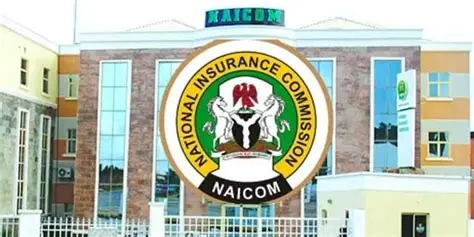
The National Insurance Commission, in collaboration with the Nigerian Insurers Association, has launched a more aggressive enforcement strategy aimed at eliminating fake insurance operators and curbing unethical practices such as rate-cutting.
According to industry leaders, this marks a shift from sporadic enforcement to a sustained, coordinated offensive.
A key breakthrough came recently when regulators secured a legal victory against an unlicensed operator, reinforcing their authority to clamp down on illegal activities. Additionally, enforcement raids carried out in partnership with law enforcement agencies have led to multiple arrests and the seizure of counterfeit insurance materials.
Officials say new legislation—the Nigerian Insurance Industry Reform Act 2025—has significantly strengthened enforcement powers, enabling regulators to act more decisively.
“We are no longer taking a passive approach,” a regulatory spokesperson said. “This time, enforcement will be continuous and far-reaching.”
Stakeholders believe that sustaining this momentum is critical to restoring public confidence and boosting insurance penetration. Plans are also underway to deploy digital verification platforms that will allow motorists and authorities to instantly confirm the authenticity of insurance policies.
If successfully implemented, these measures could close the loopholes exploited by fraudsters, improve premium collection, and ensure that policyholders receive genuine protection.
For now, the battle lines are drawn. As regulators intensify their crackdown, the future of Nigeria’s insurance industry may well depend on its ability to eliminate fraud, rebuild trust, and finally unlock its long-awaited growth potential.