





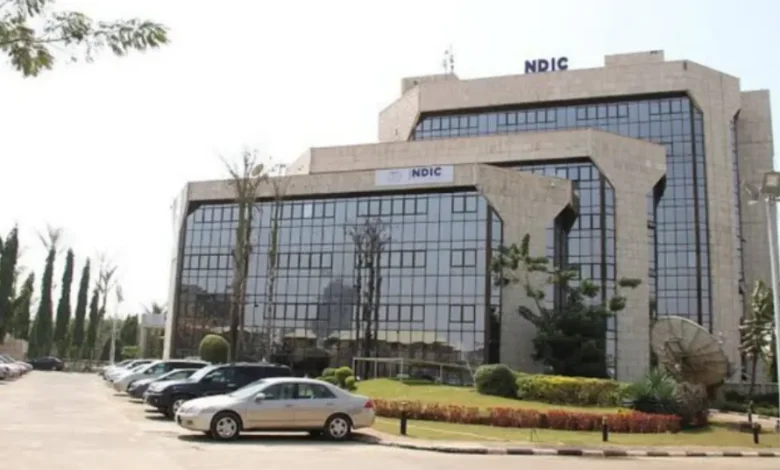
The Nigeria Deposit Insurance Corporation (NDIC) has intensified efforts to promote financial literacy among young Nigerians, engaging secondary school students in Bayelsa State on the importance of savings, wealth creation, and responsible financial management.
The initiative formed part of activities commemorating Financial Literacy Day and brought together students from five secondary schools across Yenagoa for a one-day sensitisation programme held at Community Primary School, Opolo.
Addressing participants during the event, an official from the NDIC’s Communication and Public Affairs Department, Phoebe Ugot, explained that the programme was designed to educate students on the corporation’s role in safeguarding depositors’ funds while encouraging them to cultivate a savings habit from an early age.
She reassured the students of the safety of funds held within Nigeria’s banking system and highlighted the NDIC’s mandate in protecting depositors and maintaining confidence in the financial sector.
According to Ugot, the corporation’s decision to target young people reflects a broader strategy to address financial literacy challenges in the country by instilling positive financial habits early in life.
She noted that the NDIC regularly organises Financial Literacy Day and World Savings Day programmes to encourage Nigerians to embrace savings and prudent financial management, adding that introducing these values at the secondary school level would help build a financially conscious generation.
Also speaking at the event, Principal Manager in the Communication and Public Affairs Department, Bokpere Adeghe, said the sensitisation programme was structured around two key themes: educating participants on the core functions of the NDIC and promoting financial literacy, savings, and investment awareness.
Adeghe urged students to begin financial planning early and develop the discipline required to save consistently, stressing that building wealth starts with intentional financial decisions.
She explained that financial literacy goes beyond saving money, encompassing the knowledge and skills needed to make informed decisions about income, spending, and investments.
According to her, individuals who understand financial principles are better positioned to manage resources effectively, achieve long-term financial goals, and contribute positively to economic development.
The programme also featured interactive sessions aimed at helping students understand the benefits of saving, budgeting, and making responsible financial choices.
The NDIC said such initiatives remain a vital part of its public awareness campaign, as the corporation seeks to strengthen financial inclusion and foster a culture of financial prudence among Nigerians from an early age.
Stakeholders at the event expressed optimism that sustained financial education programmes in schools would help nurture a generation better equipped to navigate personal finance challenges and build long-term economic security.