


Stanbic IBTC Holdings has disclosed that its Together4ALimb initiative has supported 250 Nigerian children living with limb loss since the programme was launched in 2015.
The financial services group said an additional 50 children were enrolled in the initiative in 2026, bringing the total number of beneficiaries to 250.
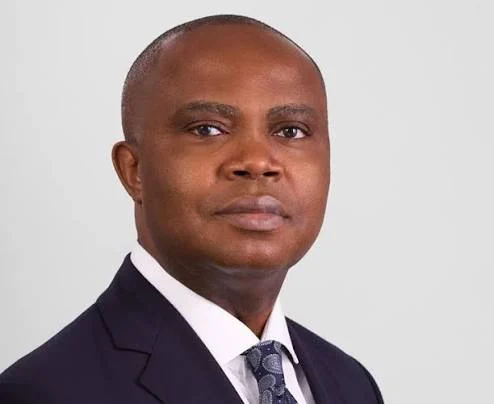
The Chief Executive of Stanbic IBTC Holdings, Chuma Nwokocha, disclosed this in an article on disability inclusion and the relationship between mobility, education and economic participation.
According to Nwokocha, each new beneficiary receives an education trust valued at N1.5 million, in addition to ongoing prosthetic support as the children grow.
He said the combination of mobility assistance and educational support was designed to address both the immediate and longer-term challenges faced by children living with limb loss.
“A prosthetic limb addresses an immediate mobility need, while education provides a longer-term pathway towards confidence, independence and empowerment,” Nwokocha said.
The initiative, he explained, supports children across different stages of education, from creche and nursery through primary and secondary school to tertiary institutions.
Nwokocha said the continuing provision of prosthetic support was important because children grow and their mobility requirements can change over time.
He argued that disability inclusion should not be measured solely by the number of prosthetic limbs provided or the amount of financial support committed.
Instead, he said, assessment should also consider school attendance, educational progression, rehabilitation needs, continuity of care, wellbeing and the experiences of beneficiaries and their families.
Beyond financial inclusion
Nwokocha linked the initiative to a broader understanding of financial and economic inclusion in Nigeria.
While financial inclusion is commonly associated with access to banking, credit, insurance, pensions and investment opportunities, he said meaningful participation in the economy also depends on access to education, healthcare, mobility, infrastructure and social support.
“Before a person can participate fully in an economy, they must be able to move, learn, develop their abilities and live with dignity,” he said.
He maintained that barriers affecting children with disabilities can limit their educational and economic opportunities long before they interact with formal financial institutions.
The Stanbic IBTC chief executive also called for disability inclusion to be incorporated into areas including education, healthcare, employment, infrastructure, technology and economic planning, rather than being treated solely as a philanthropic concern.
Focus on long-term outcomes
According to Nwokocha, the Together4ALimb programme’s annual awareness walk is only one component of the initiative. He said its year-round activities include beneficiary selection, prosthetic fitting and replacement, administration of education trusts and monitoring of children’s educational progress.
He also said the programme should continue to strengthen its measurement of long-term outcomes by tracking educational progression, continuity of prosthetic support and feedback from beneficiaries and their families.
“Measurement should show progress while also revealing where support remains incomplete,” he said.
Nwokocha further called for stronger institutional collaboration to address barriers faced by children living with limb loss, including inaccessible school and public facilities, gaps in rehabilitation services and social stigma.
The 2026 theme of Together4ALimb, “Be Un’limb’ited,” reflects the programme’s stated objective of ensuring that limb loss does not define the aspirations or opportunities available to children.
Nwokocha said Nigeria’s long-term prosperity would depend partly on developing a broad and inclusive human-capital base, arguing that enabling children to remain in school, develop confidence and participate fully in society could benefit both individuals and the wider economy.
He added that the right to inclusion should not depend on whether a child eventually becomes an employee, entrepreneur or business leader, but should remain grounded in access to dignity, mobility, education and opportunity.