




The Federal Government has stepped up efforts to accelerate health-tax reforms as part of measures to strengthen sustainable healthcare financing and address the rising burden of non-communicable diseases (NCDs).
The National Health Insurance Authority (NHIA) said the reform would require coordinated action across government, the private sector, civil society and other stakeholders, with revenue from health-related taxes potentially supporting disease prevention, primary healthcare and health insurance coverage.
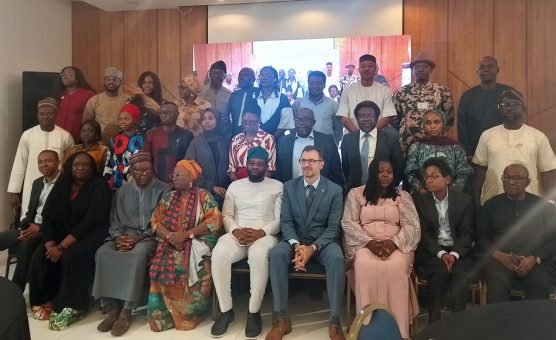
Director-General of the NHIA, Dr Kelechi Ohiri, made the disclosure in Abuja at a National Stakeholder Co-creation Workshop on Realising Health Taxes for Sustainable Health Financing and Curbing NCDs.
SSB Tax Bill Awaits House Concurrence
Ohiri said health-tax reform could not be driven by the health sector alone, stressing the need for the involvement of the Ministries of Finance, Budget and National Planning, lawmakers, private-sector organisations, civil society and the media.
He said Nigeria was facing a dual health challenge, with infectious diseases and maternal mortality persisting alongside increasing cases of NCDs associated with the consumption of sugar-sweetened beverages (SSBs), tobacco and alcohol.
According to him, health taxes could serve two purposes: discouraging consumption of products associated with adverse health outcomes and generating additional domestic resources for healthcare.
Ohiri said Nigeria was building on existing international commitments and domestic resource mobilisation efforts rather than starting the reform process from scratch.
He disclosed that the Senate had passed the SSB Tax Bill and that the legislation was awaiting concurrence by the House of Representatives.
The NHIA chief said the proposed reforms were designed to strengthen the existing SSB tax framework and direct part of the proceeds towards health promotion, disease prevention and primary healthcare.
FG Seeks Clear Implementation Roadmap
Ohiri said the major challenge was no longer simply developing the policy but determining how to move it through Nigeria’s legal, fiscal, administrative and financial management systems.
He said effective implementation would require political leadership, institutional capacity and mechanisms that promote transparency in revenue collection and allocation.
Citing the Philippines as an example, Ohiri said health-tax revenues had been used to support the expansion of health insurance coverage.
He said Nigeria could similarly explore ways of directing additional revenue towards reducing the burden of disease and expanding access to health insurance.
“Healthcare should be accessible, but it is not cheap,” Ohiri said, stressing the need for a practical roadmap to ensure that health-tax reform translated into measurable outcomes.
Tobacco, Alcohol Taxes May Follow
While the immediate focus is on SSBs, the broader health-tax agenda could eventually cover other products.
Ohiri said tobacco and alcohol were among the areas that could be considered as the reform progresses, although stakeholders would first need to consolidate the SSB initiative.
Chairman of the Senate Committee on Health, Senator Ipalibo Harry Banigo, said health taxes should not be viewed primarily as a revenue-raising mechanism.
She said their public-health objective should also be considered, particularly their potential to discourage consumption of products associated with health risks.
WHO Seeks Evidence-Based Approach
WHO Country Representative in Nigeria, Dr Pavel Ursu, said evidence alone would not guarantee successful health-tax reform.
He said research findings needed to be translated into policy by taking into account Nigeria’s institutions, political economy and the stakeholders capable of influencing implementation.
Ursu called for collaboration among the Ministries of Health and Finance, lawmakers, civil society, the media, non-governmental organisations and other relevant groups.
He also urged researchers to develop demand-driven evidence capable of supporting policy discussions while reflecting Nigeria’s local circumstances.
Dr Kumanan Rasanathan, Executive Director of the Alliance for Health Policy and Systems Research, said the organisation’s work across 16 countries showed the importance of moving beyond policy strategies to implementation and institutional change.
Stakeholders Seek Public Understanding
Chief Moji Makanjuola, Chief Executive Officer of the International Society for Media in Public Health and Chair of Nigeria Universal Health Coverage, stressed the need for clear communication with citizens.
She said Nigerians should understand why the taxes were being introduced, the health problems they were intended to address, how the revenue would be spent and what mechanisms would govern implementation.
The workshop, organised with DGI Consult, the Health Strategy and Delivery Foundation, WHO and other partners, is expected to produce short- and long-term actions, assign responsibilities and establish mechanisms for translating health-tax proposals into practical reforms.