



Abuja — The Federal Government has unveiled a series of measures aimed at strengthening financial protection for Nigerians living with cancer, including expanded public funding, enhanced insurance support and increased investment in research and local drug manufacturing.
The initiatives, announced at the Best of ASCO Africa 2026 Conference in Abuja, underscore the government’s broader strategy to reduce the high out-of-pocket costs associated with cancer treatment while improving access to quality care across the country.
Speaking at the conference, Director-General of the National Institute for Cancer Research and Treatment (NICRAT), Prof. Usman Malami, said the government is scaling up interventions designed to make cancer prevention, diagnosis and treatment more affordable, particularly for vulnerable patients.
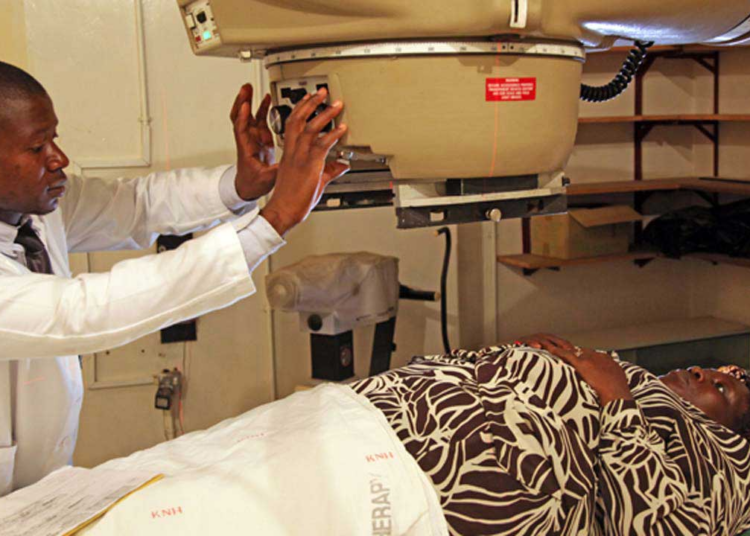
He noted that the Catastrophic Health Fund, managed by the National Health Insurance Authority (NHIA), is providing subsidies for cancer screening, diagnosis, chemotherapy and radiotherapy for eligible beneficiaries. In addition, NICRAT’s National Cancer Health Fund offers financial support to indigent patients who cannot afford treatment.
According to Malami, the funding mechanisms are intended to cushion the financial impact of cancer care, which remains prohibitively expensive for many Nigerian households.
The government is also pursuing long-term affordability through the Presidential Initiative for Unlocking the Healthcare Value Chain, which seeks to expand domestic production of oncology medicines. Local manufacturing is expected to reduce reliance on imported drugs, lower treatment costs and improve the availability of essential cancer medicines.
The announcements came during the Best of American Society of Clinical Oncology (ASCO) Africa 2026 conference, organised in partnership with the African Organisation for Research and Training in Cancer (AORTIC). The meeting brought together policymakers, clinicians and researchers to examine how global advances in oncology can be adapted to African healthcare systems.
Further highlighting the government’s financial protection agenda, the Special Adviser on Research and Innovation to the Minister of State for Health, Dr. Lolade Adewale, disclosed that additional insurance-backed initiatives are being developed to expand access to cancer treatment.
She said the Cancer Health Fund and the Social Determinants of Health Fund are expected to strengthen financial support for eligible patients, adding that more details on enhanced cancer insurance coverage would be unveiled within the next year.
Adewale also announced that Nigeria has commenced three immunotherapy clinical studies for the first time, enabling patients to access advanced cancer medicines such as Nivolumab and Keytruda through clinical trials at no cost. The development is expected to reduce the need for Nigerians to seek expensive cancer treatment overseas while expanding access to innovative therapies.
Beyond financing, stakeholders at the conference emphasised the need for stronger investment in African-led research to improve treatment outcomes.
Immediate Past President of AORTIC, Dr. Miriam Mutebi, observed that Africa contributes only a small proportion of global cancer research despite carrying a significant share of the disease burden. She called on governments across the continent to increase domestic investment in research and development, particularly in cancers such as cervical and prostate cancer, where evidence gaps remain.
Similarly, ASCO Chief Medical Officer Dr. Julie Gralow stressed that many breakthrough cancer therapies have not been adequately studied among African populations, making locally driven clinical research essential for effective treatment. She announced that the ASCO-AORTIC partnership will launch the second phase of its Sub-Saharan Africa Clinical Research Scholars Programme in October to strengthen research capacity across the region.
Also speaking, AORTIC Vice-President for North America Dr. Abiola Ibraheem advocated greater regional collaboration, arguing that African countries could secure better access to innovative cancer therapies by negotiating collectively rather than individually.
For Nigeria’s health insurance sector, the government’s renewed focus on catastrophic health financing, targeted insurance support and local pharmaceutical production signals a growing recognition of the role financial risk protection plays in improving access to cancer care. Industry stakeholders say sustained investment and wider insurance coverage will be critical to reducing the economic burden of cancer on households and strengthening the country’s journey toward universal health coverage.