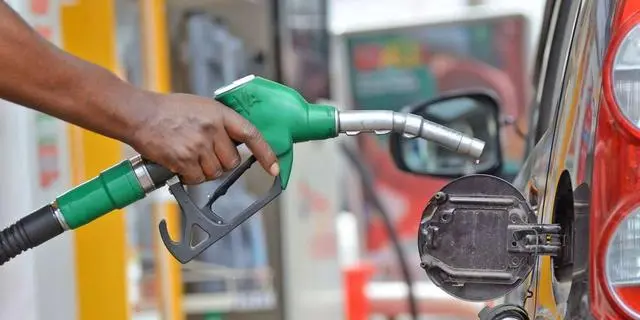






Petrol prices in Lagos could rise to approximately N1,411 per litre in November if freight charges, insurance premiums and other import-related costs remain elevated, according to energy analyst Kelvin Emmanuel.
Emmanuel, Managing Partner of The Energy Consulting Practice, said the rising cost of delivering physical petroleum cargoes was putting pressure on the domestic price of petrol, with freight, insurance and the difference between dated Brent prices and futures contracts contributing to the increase.
His projection, however, has been challenged by petroleum marketers who describe the forecast as speculative and say they are not currently planning another pump price increase.
Nigeria’s deregulated downstream petroleum market is influenced by international crude oil prices, foreign exchange rates, import financing, freight, insurance and the cost of refined products.
**Analyst explains projected N1,411 price**
Emmanuel said physical petroleum cargoes had become about $30 more expensive to deliver than futures contracts, largely because of higher insurance premiums, freight charges and the dated Brent spread.
Breaking down his November estimate, he put the crude oil delivery cost at $145.60, with an additional $1.21 in levies and tariffs charged by the Nigerian Maritime Administration and Safety Agency and the Nigerian Ports Authority.
This brought the combined figure to $146.81. Using an exchange-rate factor of 8.50, he arrived at N1,247.89 per metric tonne.
Adding an $80 refinery premium increased the figure to $1,327.89 per metric tonne.
He then applied an exchange-rate adjustment based on N1,400 to N1,351 to arrive at an estimated refinery ex-gate price of about N1,376 per litre. An additional N35 per litre for trucking and related charges brought the projected Lagos pump price to approximately N1,411.
Emmanuel said the estimate would apply if the relevant premiums remained at their prevailing levels during November deliveries.
“The biggest denominator in the rising price of petrol are the premiums from insurance, freight, and the dated Brent spread that has made physical cargo delivery $30 more expensive than future contracts,” he said.
He added that Dangote Petroleum Refinery benchmarks its products against import parity because about 40 per cent of its feedstock is sourced internationally.
According to him, crude supplies obtained under the Domestic Crude Supply Obligation also attract freight costs of between $9 and $12 per barrel, in addition to premiums charged by third-party traders involved in crude lifting arrangements.
He argued that prices frequently circulated online could be about 30 per cent below the actual cost of landing physical cargoes, whether sourced through imports or domestic crude allocations.
**Marketers reject immediate price increase**
The National Publicity Secretary of the Independent Petroleum Marketers Association of Nigeria, Chinedu Ukadike, dismissed the projected increase as speculation, arguing that crude oil prices had not risen further.
“All those things are speculation,” Ukadike said, adding that he was monitoring market developments and would not base pricing decisions on projections.
He maintained that marketers were not considering an immediate increase, although petrol was already selling for around N1,400 per litre in some parts of the country.
Ukadike also identified developments involving feedstock supplies and political events in the United States and Israel as factors that could influence the petroleum market.
Similarly, the National Publicity Secretary of the Petroleum Products Retail Outlets Owners Association of Nigeria, Joseph Obele, expressed doubt about another increase.
Obele said the apparent easing of tensions in the Middle East and declining crude oil prices could reduce pressure on petroleum product costs.
However, independent petroleum marketer Isa Alheri said petrol prices could still exceed N1,400 per litre, depending on movements in international crude prices, exchange rates and refined product costs.
He explained that freight, insurance and import financing expenses also affect replacement costs, meaning marketers could adjust pump prices when the cost of replenishing their stocks rises.
**Import pricing remains contentious**
The latest debate comes amid continuing disagreements among petroleum marketers over the competitiveness of imported products and locally refined petrol.
In July 2026, IPMAN raised concerns about imported petrol reportedly selling at about N1,350 per litre, arguing that the price was significantly higher than the offer from Dangote Petroleum Refinery at the time.
Ukadike questioned the effectiveness of import licences issued to major marketers to moderate domestic fuel prices, arguing that the policy had not adequately addressed market volatility.
He also criticised the issuance of import licences without sufficient consideration of their impact on competition and consumer prices.
According to him, international Platts pricing for imported petroleum products was about 20 per cent higher than prices offered by Dangote Refinery, making imported supplies less competitive.
He warned that indiscriminate issuance of import licences could contribute to higher prices and uncertainty for independent marketers.
With petroleum prices still exposed to international market movements and foreign exchange pressures, the November outlook will depend on changes in crude oil prices, refined product costs, freight and insurance premiums.