



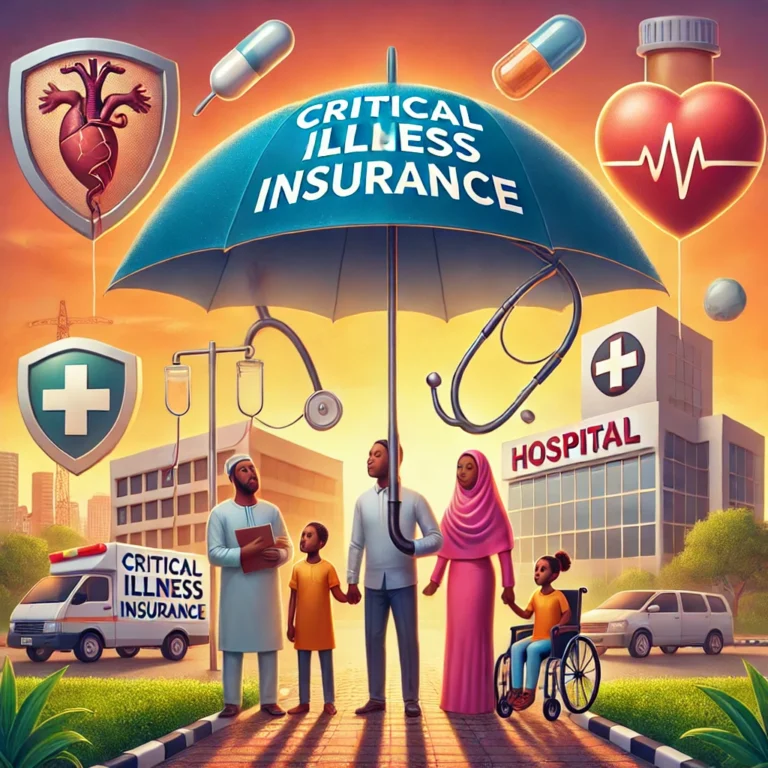


Nigeria’s reported progress in healthcare reforms has come under scrutiny, with concerns raised that impressive government statistics may not fully reflect the challenges patients continue to face in hospitals and primary healthcare centres across the country.
Despite claims of improved health insurance coverage, revitalised primary healthcare facilities and increased recruitment of health workers, many Nigerians still struggle with high medical bills, inadequate hospital infrastructure, medicine shortages and limited access to quality treatment.
The concerns were highlighted by public affairs commentator Dr Lemmy Ughegbe in an article titled “Healthy Figures, Sick Hospitals,” published on November 23, 2026.
Ughegbe questioned whether the achievements announced by the Federal Government have translated into better healthcare experiences for ordinary Nigerians, particularly those in rural and underserved communities.
FG Reports Achievement of 41 Health Sector Commitments
The debate follows a declaration by the Coordinating Minister of Health and Social Welfare, Professor Muhammad Ali Pate, that President Bola Tinubu’s administration had achieved all 41 presidential commitments established for the health sector.
Speaking at the Third Nigeria Health Sector Joint Annual Review in Abuja on November 10, 2026, Pate highlighted several areas of progress under the administration.
According to the minister, 3,526 primary healthcare centres had been revitalised, while work was continuing on another 900 facilities.
He also disclosed that health insurance coverage had increased from approximately 16 million Nigerians to nearly 24 million.
Other reported achievements included the recruitment and training of thousands of skilled birth attendants and community health workers, improved antenatal attendance, increased skilled deliveries and wider access to emergency obstetric services.
The minister further highlighted interventions that had reduced dialysis costs by up to 80 per cent for some beneficiaries, alongside substantial subsidies on essential medicines for selected cancer patients.
While acknowledging these developments, Ughegbe argued that the figures should be treated as milestones rather than conclusive evidence that Nigeria’s healthcare challenges have been resolved.
Revitalised Hospitals Must Deliver Actual Treatment
A major concern raised in the commentary is the difference between renovating or upgrading healthcare facilities and ensuring that they provide effective medical services.
Ughegbe questioned whether revitalised primary healthcare centres have qualified personnel available when patients need treatment, consistent supplies of essential medicines, reliable electricity and functioning laboratory equipment.
He also raised concerns about emergency transportation for pregnant women and the ability of facilities to refer patients to higher-level hospitals without dangerous delays.
According to the argument, a healthcare facility may be officially classified as revitalised but still struggle to deliver adequate services if essential equipment, staff and medicines are unavailable.
The commentary also stressed that recruiting health workers is only part of the solution.
Their deployment, retention, working conditions and availability in communities with the greatest shortages are equally important to improving healthcare delivery.
Rural communities remain particularly vulnerable because long distances, poverty and inadequate transportation can prevent patients from receiving timely treatment.
24 Million Insured Nigerians Still Leave Major Coverage Gap
The expansion of health insurance coverage was another area examined in the commentary.
Although the increase from approximately 16 million to nearly 24 million insured Nigerians represents reported progress, Ughegbe argued that millions of citizens remain exposed to medical expenses they may be unable to afford.
For low-income households already struggling with food prices, school fees and transportation costs, unexpected illness can quickly become a financial crisis.
He maintained that government should focus not only on increasing enrolment but also on ensuring that insurance provides meaningful financial protection.
According to the argument, having an insurance card does not necessarily guarantee affordable access to treatment if essential medicines, laboratory tests and specialist services remain unavailable or require substantial out-of-pocket payments.
This raises the importance of monitoring the quality of services provided under health insurance arrangements, alongside the number of people enrolled.
Health Worker Migration Raises Sustainability Concerns
The continued movement of Nigerian doctors, nurses, pharmacists and other healthcare professionals abroad was also identified as a challenge to the sustainability of health sector investments.
Ughegbe argued that healthcare workers require competitive remuneration, functional equipment, safe working environments and opportunities for professional development.
Without effective retention measures, improvements in hospital infrastructure may not translate into better services if facilities lack sufficient qualified personnel.
The commentary therefore called for a stronger approach to workforce planning, particularly in communities and facilities experiencing persistent staffing shortages.
States and Local Governments Must Be Held Accountable
The article also emphasised that responsibility for improving healthcare delivery cannot rest exclusively with the Federal Government.
While the Federal Government develops national policies and manages major tertiary institutions, state governments and local councils play critical roles in primary and secondary healthcare delivery.
Ughegbe called for greater accountability from governors and local government administrators over health budgets, staff deployment, facility maintenance and service quality.
He also cautioned against treating increased budgetary allocations as proof that improvements have been delivered.
According to the commentary, government spending must be assessed through actual fund releases, expenditure and completed projects rather than figures contained in budget documents.
Call for Independent Assessment of Healthcare Reforms
Beyond government-reported targets, Ughegbe advocated independent assessments that measure how healthcare reforms affect patients.
He identified indicators such as waiting times, availability of medicines, treatment costs, avoidable deaths, referral efficiency and patient satisfaction as important measures of healthcare performance.
Such assessments, he argued, would provide a clearer picture of whether government interventions are improving access to affordable and effective treatment.
The commentary also acknowledged that Pate had recognised continuing challenges involving healthcare affordability, service quality and patient satisfaction.
Ughegbe argued that these concerns should guide the next phase of reforms rather than be overshadowed by positive performance statistics.
Healthcare Success Must Be Measured by Patients’ Experiences
The central argument of the commentary is that Nigeria’s healthcare reforms should ultimately be judged by what happens when citizens seek medical attention.
Renovated facilities, recruited workers, expanded insurance coverage and fulfilled policy commitments are important indicators of government activity.
However, their real value depends on whether patients can obtain timely treatment without facing unbearable financial pressure.
Ughegbe argued that Nigeria needs a healthcare system where emergency patients receive prompt attention, pregnant women can access safe delivery services and medical professionals have the resources required to perform their duties.
His conclusion is that the achievements reported by government should be recognised as important milestones, but they should not be mistaken for proof that the healthcare crisis has ended.
Until affordable, timely and effective treatment becomes a consistent experience in hospitals and rural clinics, the gap between official healthcare statistics and the realities facing ordinary Nigerians will remain a major concern.