




Leaders in Nigeria’s insurance and pension sectors have called on workers to adopt a more proactive approach to retirement planning by utilising a range of savings and insurance products, alongside emerging pension reforms, to ensure financial security in later life.
This message was emphasised at the 2026 Inspenonline Retirement Summit held in Lagos, where key stakeholders highlighted the importance of embracing multiple savings windows, including insurance-linked products and enhanced pension frameworks such as Pension Reform 2.0.
The Commissioner for Insurance, Mr. Olusegun Omosehin, represented by Dr. Julius Odidi, Head of the Lagos Control Office of the National Insurance Commission (NAICOM), urged workers to take advantage of insurance instruments to build stable and sustainable retirement plans.
Similarly, the Director-General of the National Pension Commission (PenCom), Ms. Omolola Oloworaran, represented by the Commission’s Head of Corporate Communications, Mr. Ibrahim Buwai, noted that ongoing reforms under Pension Reform 2.0 have significantly improved pension administration in Nigeria.
She explained that the initiative is designed to expand access and flexibility, enabling workers across various employment categories to participate effectively in pension schemes.
In particular, she highlighted the rebranded Micro Pension Plan (MPP), which has been strategically repositioned to provide more inclusive, accessible, and secure long-term financial protection for self-employed individuals and those in the informal sector.
Also speaking at the event, Chairman of STI Leasing Limited, Mr. Tom Ogboi, commended the organisers and stressed the need for increased public awareness on retirement planning.
Drawing from personal experience, he noted that his ability to enjoy retirement since 2002 was largely due to deliberate and strategic financial planning.
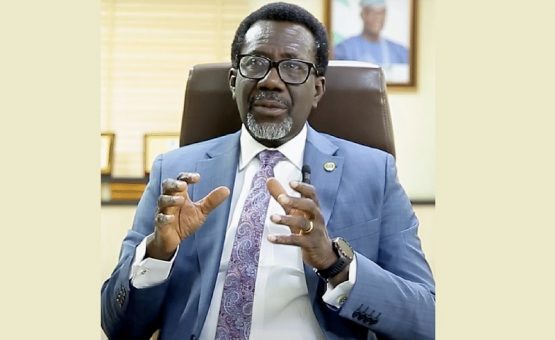
Meanwhile, the Chief Executive Officer of the Centre for the Promotion of Private Enterprise, Dr. Muda Yusuf, expressed concern over the challenges facing many retirees in Nigeria.
He observed that a significant number of former workers, despite years of dedicated service, face financial hardship in retirement due to systemic inefficiencies and inadequate awareness of retirement planning options.
Stakeholders at the summit collectively underscored the need for sustained sensitisation and policy support to encourage workers to adopt comprehensive and diversified retirement savings strategies.