





Stakeholders across Nigeria’s finance, insurance, telecommunications and investment sectors have identified business-friendly tax reforms, increased capital market participation, reliable broadband connectivity and strong institutions as essential to achieving the country’s $1 trillion economic target by 2030.
They made the call at the Finance and Business Online Publishers Association (FiBOP) Conference and Awards in Lagos, where policymakers, regulators, investors, business leaders and media professionals examined strategies for unlocking Nigeria’s economic potential.
The conference was chaired by the Director-General and Chief Executive Officer of the Centre for the Promotion of Private Enterprise, Dr Muda Yusuf, and themed “Unlocking Nigeria’s Economic Potential: Taxation, Industry, Insurance, Fintech, Trade and Investment as Catalysts for Nigeria’s $1 Trillion Vision.”
Representing the Minister of Finance and Coordinating Minister of the Economy, Taiwo Oyedele, his Special Adviser on Revenue, Olufemi Olarinde, said attaining the target would require policies that stimulate business growth, attract investment and create jobs, rather than focusing solely on government revenue generation.
He said the government’s tax reforms were designed to support economic expansion, improve living standards and create an environment in which businesses and citizens could prosper.
According to Olarinde, the guiding principle of the reforms is to “tax prosperity, not poverty” and “tax the few and not the citizens.”
NGX seeks wider investor participation
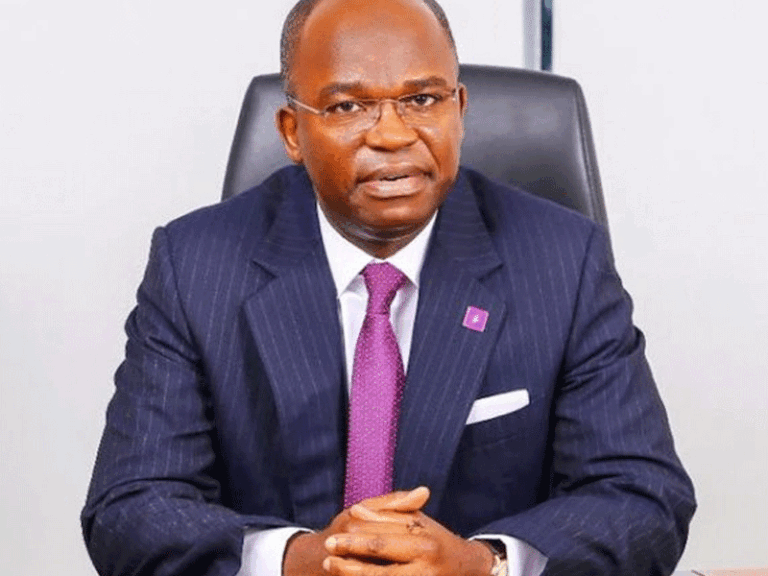
The Chairman of Nigerian Exchange Group, Alhaji Umaru Kwairanga, called for increased participation in the capital market, saying Nigeria needed to expand its investor base from fewer than five million to 10 million.
He described the capital market as an important channel for mobilising funds to finance infrastructure, expand businesses and create employment.
Kwairanga said NGX market capitalisation had risen from less than N50 trillion to more than N163 trillion since President Bola Tinubu assumed office.
He urged more Nigerians to take advantage of investment opportunities in the country’s capital market. Kwairanga also received the Capital Market Personality of the Year Award at the conference.
Insurance industry highlights role in economic growth
The Director-General and Chief Executive Officer of the Nigerian Insurers Association, Mrs Bola Odukale, underscored the insurance industry’s contribution to national development.
She called for stronger recognition of the sector’s role in supporting economic growth and urged the media to continue projecting Nigeria positively to local and international audiences to strengthen investor confidence.
Broadband critical to productivity
The Executive Vice Chairman and Chief Executive Officer of the Nigerian Communications Commission, Dr Aminu Maida, identified broadband connectivity as a major driver of productivity, innovation and market expansion.
Represented by the commission’s Senior Manager, Regulatory Services, Mrs Yetunde Adeyemo, Maida said reliable internet access could help businesses reach wider markets and participate in national, regional and global value chains.
He said traders, farmers, fashion designers, content creators and software developers could use connectivity to reach customers, receive payments, advertise products and improve their operations.
According to him, broadband can lower transaction costs, improve service delivery and strengthen inventory management, particularly for micro, small and medium-sized enterprises.
Maida added that innovation across financial technology, education technology, agricultural technology, health technology and the creative economy depended on affordable and reliable data services.
He identified fibre networks, telecommunications towers, satellites and spectrum as essential infrastructure for the digital services needed to drive economic growth.
Credible institutions key to attracting investment
The Managing Director of DataPro Limited, Abimbola Adeseyoju, represented by Senior Rating Analyst Victoria Motunrayo Balogun, emphasised the importance of credible institutions, productive investment and sustained investor confidence.
Adeseyoju described the conference theme as timely, noting its alignment with DataPro’s 2026 International Rating Webinar, which examined “Sovereign Credit Rating: Africa’s Roadmap to Investment Grade Status.”
He said Nigeria’s economic ambition would depend on sound policies, credible institutions and sustained confidence in the economy.
He also highlighted the role of credit ratings in assessing the creditworthiness of governments and businesses, enabling investors to evaluate lending risks and make informed investment decisions.
FiBOP pledges commitment to credible reporting
The President of FiBOP, Charles Onwuatogwu, reaffirmed the association’s commitment to disseminating accurate, credible and factual information.
He urged online publishers to uphold professional standards and ensure their reporting contributes to informed public discussion and national development.