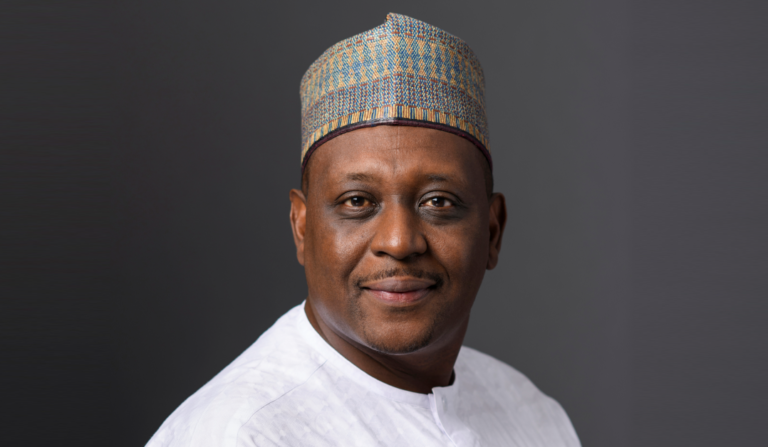
Former National Health Insurance Scheme chairman, Professor Usman Yusuf, has urged voters in northern Nigeria to recognise the power of their ballots and reject vote-buying, intimidation and religious sentiments during elections.
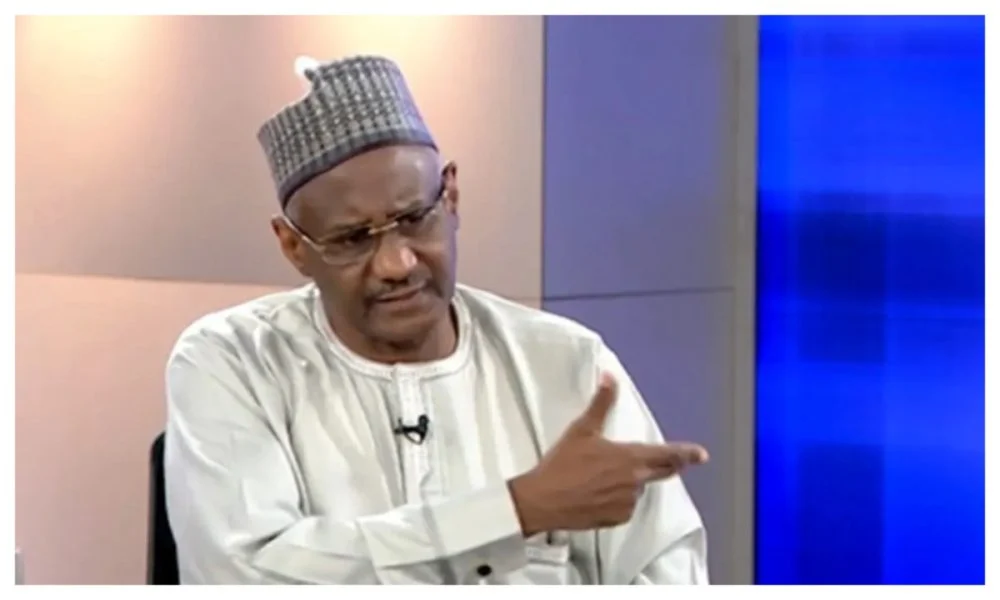
Yusuf made the call during an interview with DCL, where he reflected on recent political developments in Osun State and urged northern voters to draw lessons from the conduct of elections there.
He criticised the alleged deployment of more than 30,000 security personnel during the Osun election, describing the presence as excessive and potentially intimidating to voters.
Yusuf questioned the rationale for deploying such a large number of security personnel for an election while several communities in northern Nigeria continue to face serious insecurity.
“If you sent 30,000 to Zamfara, all the insecurity in Zamfara will be gone,” he said.
Despite the heavy security presence, Yusuf said voters in Osun were able to exercise their franchise, which he presented as an example of the importance of protecting citizens’ ability to make independent choices at the polls.
The former NHIS chairman also condemned alleged vote-buying, accusing politicians of using large sums of public money to influence electoral outcomes.
He urged northern voters to consider the long-term consequences of accepting small financial inducements in exchange for their votes.
According to Yusuf, voters in some parts of the North are offered significantly smaller incentives than those reportedly distributed elsewhere, yet are left to live with the consequences of their electoral choices for years.
He urged voters to understand that their collective voting power gives them the ability to determine who governs them and to demand accountability from political leaders.
Yusuf also criticised the use of religious identity as a tool for political mobilisation, particularly appeals urging voters to support Muslim-Muslim political arrangements.
He argued that religious affiliation should not take precedence over governance, security, economic opportunity and the welfare of citizens.
“What happened to Muslims in the north?” Yusuf asked, pointing to what he described as worsening poverty, insecurity, drug abuse, hunger and the growing number of children outside the school system.
He maintained that northern voters should assess political leaders based on their performance and the tangible conditions of the people rather than religious or financial considerations.
Yusuf further argued that Nigeria’s security crisis could not be solved solely through increased military spending or the acquisition of weapons.
According to him, the underlying social and economic conditions driving insecurity must also be addressed, including poverty, unemployment, drug abuse and inadequate access to education.
“You cannot solve this problem. You don’t solve this social problem,” he said.
He also called on religious leaders to play a stronger role in addressing social challenges and holding political authorities accountable, rather than allowing religious platforms to become instruments for electoral mobilisation.
Yusuf’s comments come as political activity intensifies ahead of future elections, with renewed debate over vote-buying, security deployment, religious considerations and the ability of voters to independently determine electoral outcomes.