



Lagos State Governor Babajide Sanwo-Olu has reaffirmed his administration’s commitment to building a resilient healthcare system anchored on mandatory health insurance, digital innovation and stronger regulatory oversight, as the state seeks to improve access to quality healthcare for its growing population.
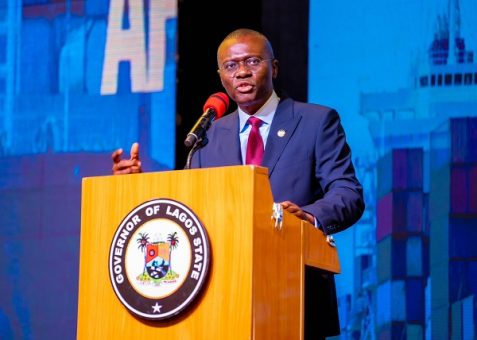
Speaking at the opening of the Second Eko Health Convention 2026 in Lagos, the governor said the state’s healthcare agenda has evolved from delivering isolated infrastructure projects to establishing sustainable systems capable of providing affordable, accessible and high-quality healthcare beyond the lifespan of the current administration.
Addressing participants at the two-day convention, themed “Building a Healthier Lagos: Connecting Access with Excellence,” Sanwo-Olu said healthcare reforms must prioritise both accessibility and quality.
“Our objective is not simply to build facilities, but to institutionalise systems that guarantee quality healthcare for every resident,” he said, noting that sustainable reforms would have a lasting impact on the state’s health outcomes.
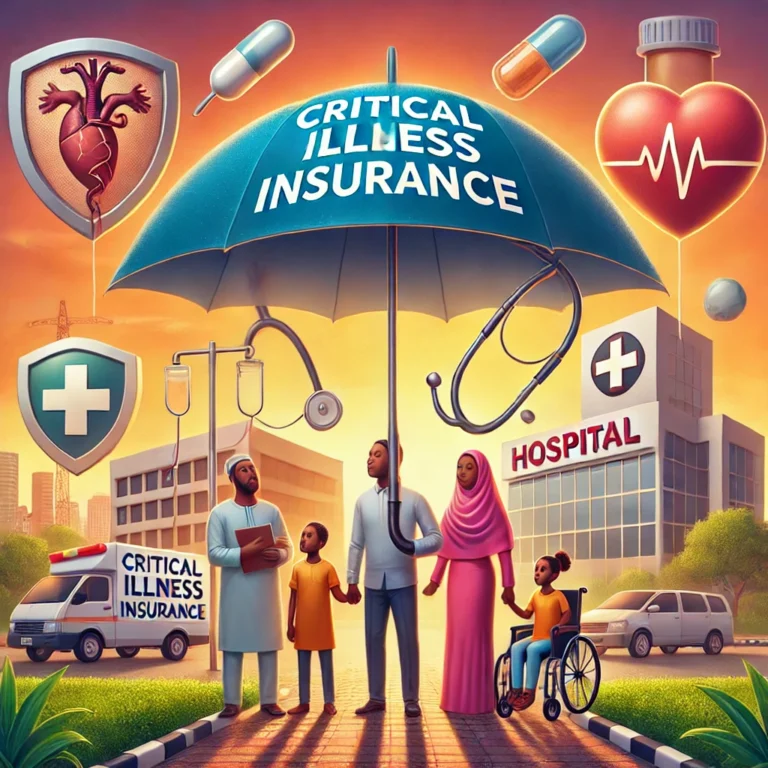
A major pillar of the strategy, according to the governor, is the expansion of health insurance coverage. He disclosed that more than 1.5 million residents have enrolled in the Lagos State health insurance scheme, Ilera Eko, following the domestication of the National Health Insurance Authority Act, which makes health insurance mandatory for residents of the state.
As of May 2026, the scheme had recorded 1,502,994 enrollees, with women accounting for the majority of beneficiaries.
To improve financial access to healthcare, Sanwo-Olu highlighted the introduction of Ilera Eko EasyPay, which allows residents to pay health insurance premiums in instalments, while low-income and vulnerable groups continue to receive support through the state’s Equity Fund.
The governor also cited the recently introduced LASHMA Assistance in Distress (LAD) programme, which guarantees immediate treatment for emergency cases before payment arrangements are made. Since its launch in March, the initiative has reportedly saved 18 lives involving road traffic injuries, obstetric emergencies, stroke cases and other critical medical conditions.
Beyond financing, Sanwo-Olu outlined ongoing efforts to improve service delivery through administrative reforms and investments in health infrastructure. He said decentralising primary healthcare management into six health districts has reduced patient waiting times in public facilities by about 50 per cent over the past two years while improving overall patient experience.
He added that expanded maternal and child health centres in Eti-Osa, Badagry and Epe, alongside mobile clinics serving riverine communities, are helping to bridge healthcare access gaps across the state.
The governor also announced continued investments in new general hospitals, specialist medical facilities, climate-resilient primary healthcare centres, doctors’ accommodation, a dedicated children’s hospital and a mental health institute currently under development at Ketu-Ejirin.
Digital transformation remains central to the state’s healthcare agenda. Sanwo-Olu said implementation of the Lagos Smart Health Information Platform (SHIP) has reached approximately 30 per cent across public hospitals and more than 300 primary healthcare centres.
When fully deployed, the platform is expected to facilitate electronic medical records, improve disease surveillance, enable seamless patient referrals and provide data to support artificial intelligence-driven healthcare planning.
To encourage innovation, the state has also launched a Digital Health Innovation Challenge aimed at attracting technology solutions for emergency care, health insurance administration, neonatal services, sickle cell management and medication adherence.
Despite the progress recorded, the governor acknowledged significant workforce and financing challenges confronting the health sector. He said Lagos currently has about 7,000 doctors, far below the estimated 40,000 required to adequately serve the state’s population. He added that the state also faces a shortage of approximately 40,000 nurses and a healthcare financing gap exceeding ₦100 billion.
Sanwo-Olu called on private sector investors, development partners, healthcare professionals and residents to support the state’s healthcare transformation by investing in the sector, enrolling in health insurance, participating in preventive health programmes and reporting unlicensed medical practitioners.
He also reaffirmed the government’s determination to strengthen regulatory oversight through the Health Facility Monitoring and Accreditation Agency, with renewed efforts to eliminate quackery and enforce quality standards across healthcare facilities.
The governor said building a sustainable healthcare system requires reforms that endure beyond political administrations, describing the current initiatives as investments in the long-term health and economic wellbeing of Lagos residents.