


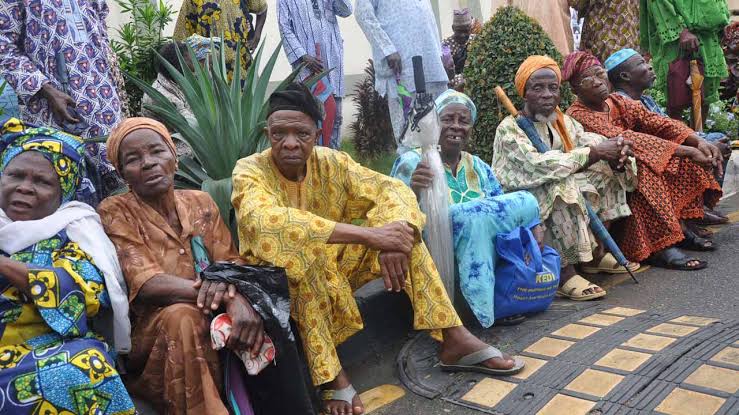
The Federation of Informal Workers’ Organisations of Nigeria (FIWON) has called on the Federal Government to provide targeted support for health insurance premium payments, particularly for low-income earners in the informal sector.
The appeal was made in Lagos by the General Secretary of the organisation, Gbenga Komolafe, who emphasized that government intervention would significantly improve access to healthcare services for millions of Nigerians operating outside the formal employment structure.
Komolafe proposed a cost-sharing model in which the government and workers would each contribute 50 percent toward health insurance premiums. He noted that such an approach would enhance affordability and drive higher enrolment rates within the informal sector.
He underscored that access to quality healthcare is a fundamental human right and a key driver of national development, stressing its importance in promoting family stability, workforce productivity, and overall human capital development.
Citing Section 16(2)(d) of the Nigerian Constitution, Komolafe highlighted the state’s obligation to ensure equitable access to essential social services, including healthcare, as a foundation for social cohesion and economic well-being.
He expressed concern over the increasing privatization of healthcare delivery in Nigeria, noting that the current system—largely dependent on Health Maintenance Organisations—has limited accessibility for many citizens, particularly informal workers who often lack the financial capacity to meet premium obligations.
According to him, the high cost of premiums has resulted in low participation rates among informal sector workers, leaving a significant portion of the population without adequate health coverage.
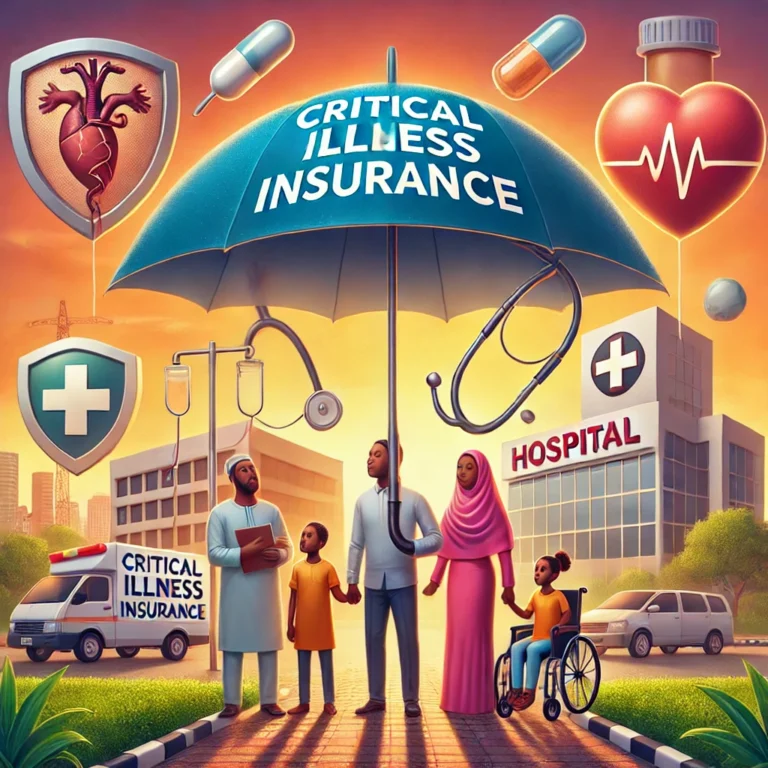
To address this gap, Komolafe advocated the introduction of a comprehensive social health insurance framework that prioritizes vulnerable groups, including the elderly, children under five, pregnant women, and persons with disabilities.
He maintained that implementing inclusive and subsidized health insurance models would not only improve healthcare access but also strengthen Nigeria’s broader social protection system.