





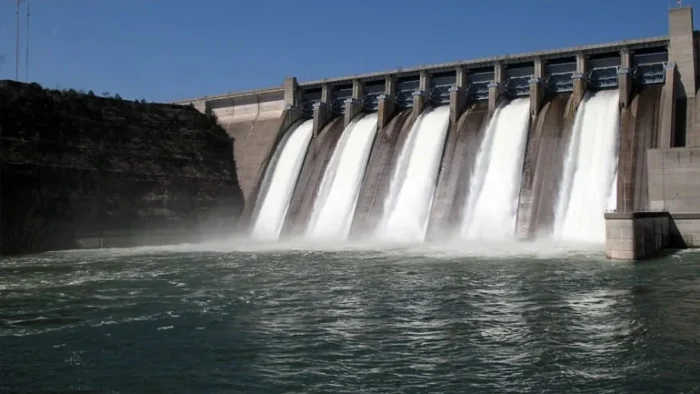
Nigeria’s recurring electricity challenges are often attributed to seasonal and structural constraints, but a closer examination of the Shiroro Hydroelectric Power Station reveals a deeper, systemic failure in the country’s power generation architecture.
Originally commissioned in 1990 on the Kaduna River with an installed capacity of 600MW, Shiroro was designed not as a continuous power source but as a strategic reserve asset. Within the framework of power system engineering, the plant was intended to function as a peaking and reserve facility—activated during periods of peak demand or system disruption, rather than operating continuously.
This distinction is critical. While baseload plants are built to provide uninterrupted electricity, peaking plants like Shiroro are designed for flexibility—remaining largely idle during normal periods while conserving capacity for times of stress. Hydropower facilities are particularly well-suited for this role due to their rapid response capabilities, grid stabilisation functions, and ability to restart power systems following total outages.
In Nigeria’s original generation strategy, gas-fired plants were expected to provide baseload power, with other hydro stations supporting mid-range demand. Shiroro, in turn, was to serve as a reserve buffer—its reservoir functioning as stored energy, deployed only when needed most.
However, this carefully designed structure failed to materialise in practice.
A Reversal of System Design
Over time, chronic underperformance in Nigeria’s thermal power segment—driven by gas supply disruptions, infrastructure limitations, and financial constraints—undermined the intended balance of the generation mix. Gas-fired plants, which were meant to anchor the system, became unreliable and intermittent.
As a result, the operational hierarchy of the power system gradually reversed. Hydropower stations, including Shiroro, were increasingly relied upon as primary generation sources due to their relative reliability and low operating costs.
This shift transformed Shiroro from a strategic reserve asset into a de facto baseload plant—operating continuously rather than selectively. While this approach addressed immediate supply gaps, it eroded the plant’s ability to perform its intended function during critical periods.
Operational Drift and Its Implications
The evolution of Shiroro’s role exemplifies what power system engineers describe as “operational drift”—a gradual deviation from an asset’s intended use due to systemic pressures rather than deliberate policy decisions.
For Shiroro, the consequences are most evident during the February to April period, when Nigeria experiences peak electricity demand alongside reduced water inflows. Under optimal conditions, the plant’s reservoir would be preserved ahead of this period, ensuring sufficient capacity to respond to heightened demand.
Instead, sustained year-round utilisation depletes water reserves before the stress period begins. This results in diminished output precisely when the system requires maximum support, exacerbating grid instability and increasing the likelihood of outages.
Importantly, this dynamic indicates that Nigeria’s electricity challenges are not solely the result of external factors such as seasonal hydrology. They are also shaped by internal operational decisions that, while pragmatic in the short term, weaken system resilience over time.
A Symptom of Broader Structural Failure
The Shiroro case underscores a broader issue: the erosion of coherence within Nigeria’s power generation portfolio. The original system design relied on complementary roles across different types of generation assets. As these roles became blurred, the effectiveness of individual plants diminished.
This suggests that the sector’s challenges cannot be resolved solely through incremental capacity additions. Rather, there is a need to restore the underlying architectural logic of the power system—ensuring that each asset operates within its intended functional role.
Lessons and the Path Forward
There is a notable irony in Shiroro’s current situation. The plant was developed with a clear understanding of Nigeria’s seasonal electricity constraints and was intended as part of the solution. Yet, over time, systemic weaknesses have rendered it unable to fulfil that role.
Current operational practices appear largely driven by short-term necessity, with limited evidence of coordinated reservoir management or strategic dispatch planning aligned with seasonal demand patterns.
While such an approach may be unavoidable in the face of persistent supply deficits, it ultimately undermines the long-term reliability of critical infrastructure.
As Nigeria continues to grapple with electricity sector reform, the Shiroro experience highlights the importance of system-wide planning, disciplined asset utilisation, and the restoration of strategic reserve capacity.
The issue, therefore, is not merely one of insufficient generation, but of misaligned system design—where contingency measures have effectively become the default mode of operation.