



Nigeria’s health insurance system presents a paradox: a well structured policy framework on paper, but a deeply inconsistent experience in practice. While the country continues to pursue universal health coverage, many enrollees report a system that falls short of its core promise financial protection and accessible healthcare.
At the centre of this system is the National Health Insurance Authority, established to expand coverage and regulate implementation. Despite reforms and policy advancements, a significant gap remains between policy intent and real-world outcomes.
Policy Promise vs. Everyday Experience
Health insurance in Nigeria was designed to reduce out-of-pocket spending and improve access to care. However, many enrollees still face unexpected charges, delays in service delivery, and uncertainty over what their plans actually cover.
For a large number of Nigerians, being insured does not eliminate the financial burden of healthcare. Instead, it often results in a dual cost structure paying for insurance while still making payments at the point of care.
The Federal Ministry of Health and Social Welfare maintains that the system is not fundamentally flawed but rather undergoing gradual reform. Officials point to the NHIA Act of 2022 as a turning point, making health insurance mandatory and strengthening regulatory oversight.
Low Coverage, Lingering Skepticism
Despite these reforms, coverage remains limited. Fewer than 10% of Nigerians are enrolled in any health insurance scheme, with participation largely concentrated in the formal sector. This leaves the majority particularly those in the informal economy—exposed to rising healthcare costs.
According to NHIA Director-General Kelechi Ohiri, ongoing efforts include expanding state-backed schemes, improving payment systems, and enforcing stricter oversight of Health Maintenance Organisations (HMOs). However, public trust remains fragile.
Pressure Points Within Hospitals
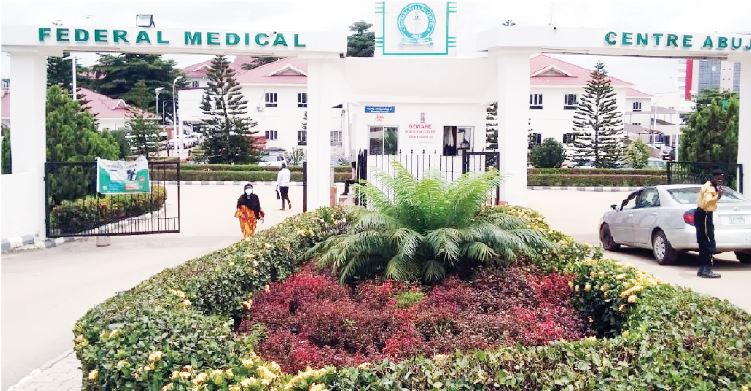
At healthcare facilities such as the Federal Medical Centre Jabi and the National Hospital Abuja, the realities of the system are more apparent.
While insurance has increased patient turnout particularly for preventive care healthcare providers highlight persistent challenges. These include delayed reimbursements from HMOs, limited coverage for certain treatments, and mismatched expectations between patients and providers.
Hospital administrators warn that delayed payments strain operations and threaten service delivery, raising concerns about long-term sustainability.
A System Caught in Transition
The Nigerian health insurance system is neither an outright failure nor a fully functional safety net. Instead, it exists in a state of transition where policy ambition has yet to translate into consistent, reliable protection for enrollees.
Global comparisons further highlight the gap. In countries such as United Kingdom, Canada, and Germany, health insurance systems are structured to minimise financial barriers at the point of care. In Nigeria, however, patients often continue to navigate both administrative and financial obstacles.
Human Impact
For many Nigerians, the shortcomings of the system are not abstract they are deeply personal. Accounts from enrollees seeking care, particularly maternal services, point to instances of delayed treatment, unexpected charges, and administrative inefficiencies.
These experiences reinforce a central concern: that coverage does not always translate into care.
The Bigger Question
As reforms continue and stakeholders push toward universal health coverage, one question remains unresolved: can Nigeria’s health insurance system bridge the gap between policy and practice?
Until that gap is closed, the experience of many Nigerians will continue to reflect a troubling contradiction—being insured, yet still unprotected.