




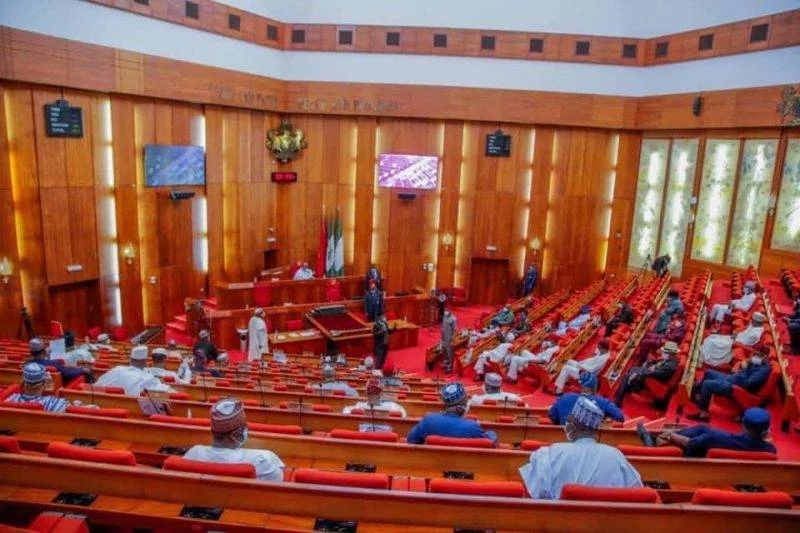
The Senate has passed the Insurance Regulatory Commission Bill, 2025, paving the way for a major overhaul of Nigeria’s insurance regulatory framework and the repeal of the nearly three-decade-old National Insurance Commission (NAICOM) Act of 1997.
The bill, which passed third reading on Tuesday following the adoption of a report by the Senate Committee on Banking, Insurance and Other Financial Institutions, is designed to modernise the regulation of the insurance industry, enhance oversight, and align Nigeria’s insurance sector with international best practices.
If assented to by President Bola Tinubu, the legislation will establish a new legal framework for insurance regulation, strengthen the authority of the industry regulator, introduce tougher sanctions for violations, and rename the National Insurance Commission as the Insurance Regulatory Commission (IRC).
Presenting the committee’s report, Chairman of the committee, Senator Tokunbo Abiru, said the current law no longer reflects the realities of Nigeria’s evolving insurance landscape.
He explained that the committee conducted an extensive review of the proposed legislation, including a public hearing and consideration of more than 50 memoranda submitted by stakeholders before recommending its passage.
According to Abiru, the bill seeks to reinforce the independence of the insurance regulator by granting it broader powers to carry out its statutory responsibilities without undue external influence.
The proposed law will also empower the commission to collaborate with domestic and international regulatory institutions, issue regulations and directives, and intervene in troubled insurance companies where necessary to protect policyholders and maintain financial stability.
In addition, the legislation introduces stronger corporate governance standards by prescribing professional qualifications and suitability requirements for members of the commission’s governing board.
It also provides stricter enforcement measures, including heavier financial penalties, licence suspensions, additional liabilities, and the disqualification of individuals found responsible for regulatory breaches.
The bill further updates provisions relating to supervision, inspections, and regulatory intervention, enabling the commission to respond more effectively to emerging risks within the insurance industry.
Among its administrative provisions, the legislation authorises the Minister of Finance to constitute an interim management committee within 30 days following the expiration or termination of the governing board’s tenure.
Abiru said the proposed law expands the commission’s mandate beyond regulation to include promoting the integrity, development, supervision, and effective administration of insurance business in Nigeria. It also strengthens legal protections for the commission and its officials against claims arising from actions taken in the lawful execution of their duties while reinforcing the regulator’s standing in court proceedings.
Lawmakers who contributed to the debate described the bill as a significant milestone for the insurance sector.
Senator Osita Izunaso said the legislation represents the first comprehensive reform of Nigeria’s insurance regulatory framework, noting that it would improve oversight of insurance operators.
Senator Adams Oshiomhole also welcomed the measure, arguing that stronger regulation is essential as authorities seek to deepen insurance penetration and expand the industry’s contribution to the economy.
He said an effective regulatory framework is necessary to prevent abuses, strengthen public confidence, and ensure adequate protection for policyholders and other stakeholders.
The bill will now be transmitted to President Tinubu for assent before it can become law.