




The Federal Government has underscored the importance of strengthening deposit insurance, improving public awareness and enhancing crisis preparedness as critical measures for safeguarding Nigeria’s financial system, protecting depositors and supporting sustainable economic growth.
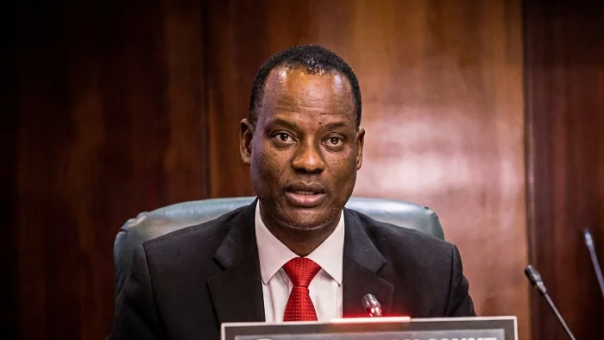
Minister of Finance and Coordinating Minister of the Economy, Mr. Taiwo Oyedele, made the call on Tuesday while opening the International Association of Deposit Insurers (IADI) Africa Regional Committee Annual Meeting and Workshop in Abuja.
Oyedele said maintaining public confidence in financial institutions has become increasingly important as the rapid spread of misinformation through digital platforms can trigger panic withdrawals, even from financially sound institutions.
He noted that in an era where information circulates instantly on social media, public education on deposit insurance should be viewed as a core financial stability strategy rather than a public relations exercise.
According to the minister, awareness campaigns must target all categories of depositors, including individuals, micro, small and medium-sized enterprises (MSMEs), and underserved rural communities to ensure they understand the protections available to them.
He stressed that effective crisis management depends on preparation rather than prediction, urging financial authorities to establish clear communication channels, well-defined institutional responsibilities, coordination mechanisms and regular simulation exercises before emergencies arise.
“Preparedness is not an event but a continuous culture that enables institutions to respond swiftly and effectively whenever challenges emerge,” Oyedele said.
The minister explained that strong deposit insurance goes beyond safeguarding savings, arguing that confidence in financial institutions encourages greater savings, supports increased bank lending, stimulates business investment and contributes to job creation.
He described financial inclusion as one of Africa’s greatest opportunities for achieving broad-based economic development, adding that stronger public confidence would help unlock the continent’s economic potential.
Oyedele also highlighted the growing impact of cross-border banking, fintech innovation and digital payment systems on Africa’s financial landscape, noting that while these developments create new opportunities, they also introduce risks that require closer collaboration among regulators.
He said the African Continental Free Trade Area (AfCFTA) presents significant opportunities for trade and investment, but stressed that countries must strengthen their financial systems to effectively manage emerging cross-border risks.
According to him, the IADI Africa Regional Committee provides a valuable platform for African regulators to share experiences, adopt international best practices and develop solutions tailored to the continent’s unique financial environment.
He further urged African countries to play a greater role in shaping global financial standards, citing the continent’s youthful population, widespread adoption of mobile money and expanding financial inclusion initiatives.
Oyedele maintained that maintaining financial stability requires coordinated efforts among finance ministries, central banks, deposit insurers, supervisory agencies, resolution authorities and the media.
He said lasting public confidence can only be achieved through strong institutions, transparency, effective communication and consistent policy implementation.
Also speaking at the event, Governor of the Central Bank of Nigeria (CBN), Mr. Olayemi Cardoso, whose address was delivered by the Director of Other Financial Institutions Supervision, Mr. Olayemi Sholaja, described confidence as the foundation of a stable banking system.
Cardoso said deposit insurance reassures customers that their funds are protected while enabling regulators to resolve troubled financial institutions in an orderly manner, thereby reducing the risk of wider financial instability.
He noted that the rapid expansion of digital finance and fintech, combined with increasingly interconnected global financial markets, has heightened the need for stronger crisis preparedness and effective public communication.
According to the CBN governor, regulators must provide timely, accurate and credible information to counter misinformation that could undermine confidence in the banking system.
He added that recent global financial disruptions demonstrate the importance of continuous investment in contingency planning, operational readiness, crisis simulations and inter-agency collaboration.
Cardoso said the CBN and the Nigeria Deposit Insurance Corporation (NDIC) have continued to strengthen their partnership through joint supervision and coordinated crisis management initiatives aimed at preserving financial stability.
The governor also defended the ongoing banking sector recapitalisation programme, stating that the higher minimum capital requirements for banks would strengthen the industry’s resilience, reduce the risk of bank failures and enhance confidence in Nigeria’s financial system.
He added that the apex bank has continued to implement reforms focused on improving corporate governance, promoting transparency, stabilising the foreign exchange market, rebuilding external reserves, strengthening consumer protection and expanding financial inclusion.